

Table of Contents
ToggleA. Introduction:
Picture yourself, rather than cars, in a serene mountain path surrounded by birds. Imagine a pleasant coastal village where fishermen and women will smile and greet you instead of people pushing you around. There are the kind of dream experiences what make hidden eco-friendly destinations more special.
Today’s travelers are becoming more concious of their choices. Recent global travel surveys show around 80% of travelers say they wish to go greener. Most tourists, however, still flock to the same signature cities and sites every year. This leads to overpopulation, a burden on natural resources, and puts great stress on local communities and sensitive ecosystems.
The good news is that you still have another route to travel.
There are lots of breathtaking places around the world that are still fairly unshown. They are scenic, sustainable travel destinations that provide stunning scenery along with responsible tourism practices, effective environmental conservation methods and authentic cultural experiences. Not on every travel influencer’s list but they often leave you with richer memories and a far smaller carbon footprint.
This guide lists ten remarkably hidden eco-friendly destinations that rarely receive the recognition they deserve. Be it a far-flung island, secluded mountain village, or protected frontier landscape and coastal haven: each show how responsible travel, community tourism and wildlife conservation can inspire long-lasting memories.
Whether you are planning your next vacation or just dreaming of future travels, here are some alternative sustainable destinations that may encourage you to leave the beaten path and experience the world differently.
Let’s begin our journey across Europe and Asia to discover five remarkable places that deserve a place on every travel lover’s bucket list.
| Destination | Budget | Best Time | Sustainability Highlight | Best For |
|---|---|---|---|---|
| Albania | $35–55 | May–Jun, Sep–Oct | Community tourism | Budget travelers |
| Slovenia | $60–90 | May–Sep | Green-certified tourism | Outdoor lovers |
| Georgia | $35–60 | May–Oct | Mountain communities | Adventure seekers |
| Laos | $25–45 | Nov–Feb | Slow tourism | Backpackers |
| Mongolia | $45–70 | Jun–Aug | Nomadic tourism | Wilderness |
| Namibia | $70–110 | May–Oct | Community conservancies | Wildlife |
| Palau | $120–180 | Nov–Apr | Marine sanctuary | Divers |
| Uruguay | $60–90 | Nov–Mar | Renewable energy | Slow travel |
| Faroe Islands | $120–170 | Jun–Aug | Visitor management | Hikers |
| São Tomé & Príncipe | $60–90 | Jun–Sep | Rainforest conservation | Nature lovers |
B. Why Hidden Eco-friendly Destinations Deserve More Attention
A lot of hidden eco-friendly destinations around the world are facing a challenge in having too many visitors visit them.
Popular cities, beaches and natural parks attract large number of tourists every years reaching into millions. Tourism creates jobs and income, but too many visitors can create severe problems. Natural habitats suffer. Historic sites wear down faster. Waste increases. Water supplies become stretched. Sometimes local residents have seen their neighborhoods turned into overcrowded tourist areas. Many of us are no strangers to overtourism, one of the biggest struggles hesitating in front of our doors.
Opting for off the hidden eco-friendly destinations means a fairer dispersion of tourism. By avoiding the areas of highest pressure, travelers are backing destinations that embrace tourism while taking care to protect their natural and cultural assets. Off-the-beaten-path spots also provide experiences that top attractions can no longer deliver.
Think about hiking in a virgin forest, and not to stand in huge lines… Imagine paddling in a peaceful lake large enough for you not even to hear a single balmy breeze as your only sounds are the birds and run-off. Consider dining on local cuisine, cooked by local families rather than global restaurant chains. These real moments are usually the highlight of any journey.
An additional significant benefit is the positive impact it offers to local communities. Tourism is one of the few industries that support small towns and rural areas, but they only receive a percentage of foreign visitors. When you choose responsible travel destinations, you contribute to the livelihood of local guides, family-run guesthouses, artisans, farmers and small restaurants.
A number of these destinations invest heavily in environmental protection as well. Biodiversity forests, marine reserves, wildlife sanctuaries and community-managed parks protect life while providing sustainable careers for locals.
Many hidden eco-friendly destinations have evolved as very good case studies for community tourism, with local communities involved in tourism development along the way and receive many of its financial rewards. Visitors experience of true cultural immersion, while at the same time residents possess stregnth over their culture, heritage and natural resources.
Another reason to explore lesser-known eco-tourism destinations is the opportunity for meaningful cultural exchange. In smaller destinations, there is usually enough time to interact with residents, hear about local customs and eat regional cuisine and understand life outside the tourist bubble.
These voyages also promote minimal-footprint travel. Visitors, in turn, spend more time and more slowly at each stop instead of rushing through several packed attractions. Longer term, this strategy cuts down on transportation emissions and helps local businesses. Perhaps the greatest rewards, however, is discovering places that still feel genuine.
Souvenirs shops are not on every corner. Instead, you will be introduced to age-old traditions, pristine scenery, friendly locals and extraordinary stories many a traveler hasn’t yet experienced.
The following ten hidden eco-friendly destinations scattered across continents will be explored in the subsequent sections. All have either fought their way onto this list through an unwavering focus on responsible tourism, ethical travel and wildlife conservation or – in a few unique cases – remained refreshingly under the radar.
C. Hidden Eco-Friendly Destinations by Region
While some destinations may be obvious ones, hidden eco-friendly places can be found throughout the world. There is a place to wow an adventure-loving heart, no matter if you love the mountains, islands, forests or coastlines.
These are not your typical touristy destinations, they have chosen a different route. It has responsible tourism practices, maintains its natural beauty, preserves the local culture, and encourages visitors to travel mindfully. It is really a matter of travelling from Europe to Asia; in the next 10 destinations, we will discover more than five remarkable places which every travel lover needs to pen down on their bucket list.
# Europe’s Emerging Green Escapes
Europe is famous for cities like Paris, Rome, and Barcelona. Yet away from these crowded destinations are peaceful regions where sustainable tourism and environmental conservation go hand in hand.
1. Albania – Europe’s Emerging Sustainable Coastline

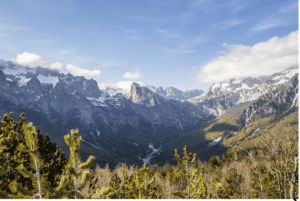

Pristine beaches, jagged mountains, quaint villages and warm hospitality
Europe’s emerging sustainable coastline
While many people flock to the likes of France or Italy, Albania is still one of Europe’s best-kept secrets for many a traveler. With the Adriatic and Ionian Seas lapping its shores, the ebook showcases pristine beaches, jagged mountains, quaint villages and warm hospitality—but none of the hordes typically descending on Mediterranean countries.
Albania, for its part has begun to promote responsible tourism in the last 10 years by pushing smaller-level guesthouses, locally-owned businesses, and nature-based experiences. Randomly interspersed national parks (like Theth or Llogara), where various fauna flourish, carpeted by breathtaking mountain scenery.
Visitors tend to stay in family run lodgings more than international hotel chains. This generates tourism money that stays in the community and allows travelers to be closer to authentic experiences.
Why Visit?
Beautiful, uncrowded beaches
Traditional mountain villages
Rich cultural heritage
Affordable travel
Warm local hospitality
Responsible Travel Tip
Stay & Eat in locally owned guesthouses and restaurants. By purchasing crafts from village artisans directly, you are supporting community tourism and providing sustainable economic benefits for residents.
2. Slovenia – The Green Heart of Europe
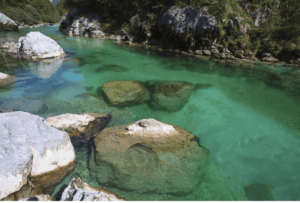
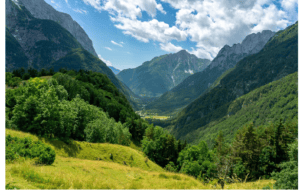
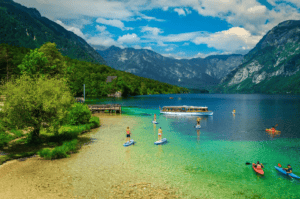
Triglav National Park green Soča valley Lake Bohinj
When it comes to ethical travel, no country does it better than Slovenia. Most people who visit Slovenia have heard of Lake Bled but large parts of this lovely country are still blissfully quiet! Last but definitely not the least, you have the emerald green Soča valley, Lake Bohinj and Triglav National Park that prove Slovenia is putting nature protection at a high.
International recognition — Slovenia is now regarded as a global trendsetter with regards to sustainability in tourism. A lot of towns promote cycling, walking and use electricity-based automobiles. It is getting very common to find eco-certified accommodation and organic farms.
There are even protected forests and public access and individual recreation areas carefully managed on a sustainable basis across the country as part of conservation efforts.
Must-See Experiences
Hiking in Triglav National Park
Rafting on the Soča River
Cycling through alpine villages
Staying in eco-certified farmhouses
Responsible Travel Tip
Travel by train whenever possible. With a well-developed rail network, Slovenia is the place to be for sustainable travel where you can lower your carbon footprint and make responsible choices.
3. Georgia – Explore the Caucasus Mountains sustainably
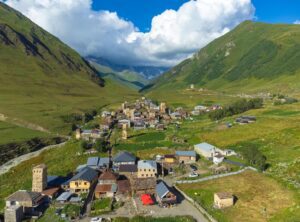


The Svaneti region stone towers with glaciers capped by snow epochs of small villages
One of the most underrated places in the world is waiting for you at the intersection of Europe and Asia. With stunning mountains, medieval villages and ancient monasteries oozing with history, topped off with unrivaled hospitality, Georgia has it all. Even though it has been attracting tourists for some time, there are still many places yet to be affected by mass tourism.
The Svaneti region is the most picturesque of these remote areas. You can see stone towers loom over glaciers capped by snow, epochs of small villages continuing long-held practices. Visitors that traverse to these areas actually help funnel money into local communities; a lot of which depend upon tourism as a main source of income.
Georgia is also increasingly focusing attention on protecting its distinctive culture, not least in the context of promoting mountain tourism.
Highlights
UNESCO-recognized mountain villages
Scenic hiking trails
Traditional cuisine
Local wine culture
Authentic village life
Responsible Travel Tip
Hire local mountain guides. When you do this, your visit not only acts as a direct injection into the local village economies but also protects invaluable knowledge that has the potential to improve our own cultures and daily lives.
# Asia’s Hidden Sustainable Treasures
Some of the busiest tourist destinations in the world are located in Asia. Beyond the popular cities and beaches however, are the quieter parts of the country where travelling low impact provides memorable moments.
4. Laos — A Slow Journey Along the Mekong River



Laos is overshadowed in the overpass of Mekong, and hella other issue as Thailand and Vietnam are always in your face. Hence, it’s exactly why it is one of Asia’s best-kept sustainable travel locations. Life moves slowly here.
Instead of running around all over the places, travelers spend time exploring rivers, mountains, waterfalls and traditional villages. Luang Prabang, the same place you might be tempted to visit as it has become an archetype of tourism and heritage. Local traditions are still alive and well, Buddhist culture influences everyday life, with visitors being asked to behave in accordance with local customs.
Some tourism projects in the country such as eco-lodges and village-based protect entire forests, provide wildlife protection jobs, or plant trees.
Why Travelers Love Laos
Peaceful atmosphere
Rich Buddhist traditions
Scenic river landscapes
Authentic village experiences
Excellent opportunities for ethical travel
Responsible Travel Tip
In preference to large commercial river tour operators, use locally owned alternatives. That makes the tourism of the community stronger, and it benefits a family in the village.
5. Mongolia – Maintain Nature with Nomadic Ways of Life
Mongolia has a resource now almost impossible to find: space.


A serene view Khustain Park Nomadic family
Here lies one of the last great wilderness areas on Earth; perches up against endless grasslands, sand dunes, blue lakes and snow-capped mountains.
The nomadic culture of the country means that, it has always lived in harmony with nature. Many essential principles of responsible tourism come easily with this traditional lifestyle. Visitors often spend time in traditional gers, sharing meals and stories of practices passed down through generations. At the same time these also serve as important cultural exchanges providing income to rural households.
In parks like Khustain you can find some of the endangered wildlife, such as the iconic Przewalski’s horse. Here, tourism is carefully regulated to match the visitor experience with wildlife and landscape protection.
Top Experiences
Stay with a nomadic family
Explore the Gobi Desert
Visit Khustain National Park
Horseback riding across the steppe
Stargazing in remote wilderness
Responsible Travel Tip
Use reusable bottles and cut down on waste. Scott: In remote Mongolia, waste facilities are limited.
What five of these destinations are all about
While each destination is different, they all have some common key characteristics.
They preserve nature rather than consume it. They are not substitutes for traditions, but rather repositories.
They invest in environmental conservation, responsible tourism, local community support and tangible economic benefit through managed visitor experiences.
Most importantly of all, they enable travellers to experience authentic hospitality and not be part of a problem facing the planet: overtourism.
More Eco Friendly Hidden Destinations You Need To Know About
Next stop Africa, Oceania, South America and the North Atlantic. These destinations may not grace every travel magazine cover but they have turned into some of the best case studies for responsible tourism, community tourism, and environmental conservation.
Each demonstrates the undeniable truth that way of nature would exist together with visitation.
# Africa’s Conservation Success Stories
6. Namibia — Community-based Saving of Wildlife
Namibia: One of Africa’s great conservation success stories


Namibia is different from many other safari destinations where a place exists called; in Namibia it would generally be, known as community conservancies. Land is governed by indigenous people while protecting wildlifeand profiting directly from tourism. This strategy has led to increased numbers of elephants, black rhinos, lions and other flagship species.
When visitors buy their tourism experiences, they can remember this is in the support of local commerce and wildlife conservation.
Some of the most stunning landscapescan be found in Namibia. With sights such as the monumentally high dunes of the Namib Desert, the wildlife-thumping Etosha National Park and eerie Skeleton Coast, each adventure is one you’ll never forget.
Why Namibia Stands Out
Community-managed wildlife reserves
World-famous desert landscapes
Responsible safari experiences
Low visitor density
Strong environmental conservation policies
Responsible Travel Tip
Look for safaris with operators that hire locals and invest back in conservation. That preserves wildlife habitats all while reinforcing economic benefits for neighboring communities.
# Africa’s Hidden Island Paradise
7. São Tomé & Príncipe – The Purest Form Of Nature


Dense Rainforest Peaceful beaches eco-lodges
São Tomé & Príncipe: Very few travelers have ever heard of. The smallest island nation in the Gulf of Guinea which lies off the west coast of Africa, this untamed tropical jewel is one of the most undiscovered places on Earth. From dense rainforests and volcanic peaks to secluded beaches, these islands are a wonderland for nature enthusiasts.
The land is still largely protected, however, allowing rare birds and sea turtles and tropical forests to thrive. Here, tourism is small-scale, heavily based on eco-lodges rather than resorts. Visitors have the opportunity to engage with local culture whilst supporting conservation and community tourism initiatives.
Best Experiences
Hiking through Obo National Park
Birdwatching
Turtle conservation tours
Exploring cocoa plantations
Relaxing on secluded beaches
Responsible Travel Tip
Stay at locally owned eco-lodges, and do not disturb nesting sea turtles while they are trying to breed.
# Island Destinations Leading Sustainability
And some islands have taken the lead in conserving those fragile ecosystems globally. They do They chase value not mass tourism and this is for the long game.
8. Palau – The Global Leader In Marine Conservation


Located in the west of the Pacific Ocean, Palau is an ideal destination for nature lovers. It draws divers from across the globe for its bright coral reefs, clear lagoons and diverse sea life.But what sets Palau apart is the extent of its devotion to protecting water.
Palau established one of the world’s most extensive marine sanctuaries, safeguarding large sections of its waters from commercial fishing. Another requirement states visitors must sign the Palau Pledge, vowing to protect the nation;’s natural environment while there. It is such a simple yet effective initiative that has come to represent ethical travel worldwide.
Top Experiences
Diving among healthy coral reefs
Kayaking through the Rock Islands
Snorkeling with tropical fish
Visiting protected marine reserves
Responsible Travel Tip
Never toucher coral reefs, and DO use reef safe protection. Marine biodiversity and local livelihoods depend on healthy reefs.
# Europe’s Remote Island Treasure
9. Faroe Islands – A Form of Responsible Tourism


The Faroe Islands, tucked between Iceland and Norway, remain one of Europe’s least-visited destinations. Stunning scenery with tall cliffs, waterfalls and green mountains, as well as colorful villages design highland landscape.
The islands are great not for this sound but for how they do tourism in a completely different way. 1Certain hiking trails across the country close each year for volunteers and locals to fix paths, conserve plant life, clear away debris and make improvements to infrastructure before reopening them.
Tailored to local needs, this initiative has become a global model for sustainable tourism. They also heavily invest in renewable energy and sustainable harvesting of fisheries, all while limiting the number of notional tourists.
Highlights
Dramatic coastal hikes
Puffin watching
Traditional villages
Renewable energy projects
Community conservation initiatives
Responsible Travel Tip
Keep to marked walking paths, as fragile vegetation and seabird nesting areas can be easily damaged.
#South America’s Quiet Green Escape
10. Uruguay: An Example Of Sustainable Living


When people think of South America, most often the countries that come to mind are Brazil, Peru and Argentina. Uruguay often remains overlooked. Good news for those who travel in search of less well-known eco-friendly destinations. Known for its tranquil beaches, rolling countryside, nature reserves and cute little villages, Uruguay has so much to offer. It has also become a world leader in renewable energy overall, producing most of its electricity through clean means.
Less travel between places, slower travel and sustainable lifestyles and thriving small coastal communities. Visitors thus benefit from real experiences while also supporting local communities, family-run places to stay and locally sourced food.
Why Visit Uruguay?
Quiet Atlantic coastline
Renewable energy leadership
Nature reserves
Relaxed atmosphere
Excellent responsible travel opportunities
Responsible Travel Tip
Opt to stay in rural lodges that use food from nearby sources, and encourage visitors to explore local villages.
What Makes These Destinations Different?
Despite these ten locations spanning many continents, they do share a few key traits.
They Put Nature First
This is done by treating healthy forests, rivers, mountains, coral reefs and wildlife as valuable assets rather than resources to extract from.
This dedication to environmental conservation is responsible for protecting biodiversity whilst keeping tourism sustainable for the generations to come.
They Empower Local Communities
In all of these destinations, locals are important as part of tourism.
Family-run guesthouses.
Village guides.
Traditional artisans.
Community-owned tourism businesses.
This methodology delivers sustainable economic benefits, while maintaining the local identity.
They Celebrate Cultural Heritage
Far from replacing old customs with commercial hits, these places celebrate their roots and safeguard their history, languages, architecture, festivals and food.
Respecting local traditions while providing tourists with a real feel of culture.
They Encourage Low-Impact Travel
Rather than rushing through many destinations, many travelers stay longer in one area.
They hike instead of driving.
Cycle instead of taking taxis.
Support local restaurants over international chains.
These small decisions allow reducing environmental footprint while enhancing your travel experience.
They demonstrate Responsible Tourism in Action
These places demonstrate that tourism can also preserve nature, empower communities and preserve culture.
They make great models for the concepts of ethical travel, sustainable tourism and responsible travel working well together.
And maybe more importantly, they remind us that the best adventures are generally not found on beaten paths.
How to visit Hidden Eco-friendly Destinations Responsibly
Discovering uncontrived eco-abodes with natural sights is just the initial part. The actual difference is how we move once arriving over there.
Each decision we take: where we sleep, how we move, what to purchase and how you deal with the locals – impacts the place itself. You can really help leave these beautiful places for the next generation by making some intelligent choices.
Simple Ways to Become a More Responsible Traveller
Choose Locally Owned Accommodations
If you can, always try to stay in family apartments, eco-lodges or local ownership hotels.
Your money remains within the destination, not for international chains. It yields economic benefits for local communities and helps to promote sustainable business practices.
Locally owned accommodation options often use renewable energy, minimise waste and source food from local farms too.
Support Local Businesses
Skip the mass-produced stuff, and search for handmade items produced by local craftpersons.
Eat at neighborhood restaurants.
Hire local guides.
Book tours run by residents.
These options will promote community tourism and protect basic skills and livelihoods.
Respect Nature and Wildlife
If you want to visit the place, preparations should be made for travel through time.
For forests, mountains, beaches, or coral reefs:
Stay on marked trails.
Never feed wild animals.
DO NOT approach wildlife.
No collecting of shells, plants or rocks.
Carry re-usable water bottles and shopping bags.
This means that you provide wildlife protection for animals to act as they would without human involvement.
Learn About Local Culture
For me, one of the biggest perks about ethical travel it is all about connecting with humans.
Spend time learning a few local greetings
Wear appropriate dress at places of worship.
Ask permission before photographing people.
Attend local festivities and cultural activities while being respectful.
Respect for the culture thus creates respectful interactions, and respects palpable cultural heritage.
Reduce Your Environmental Footprint
A Little Action Makes a Big Difference.
Try to:
Use refillable water bottles.
Carry reusable shopping bags.
Avoid single-use plastics.
Walk or cycle whenever possible.
Use public transportation.
Conserve water and electricity.
These practices are not only eco-friendly but also more sustainable for green traveling.
Travel Slowly
Most of the travelers face this dilemma who want to cover multiple destinations in one go.
Instead, consider slow travel.
Less places, more time.
You will have less transport related emissions, spend a longer time supporting local businesses and have a much fuller understanding of each destination.
It fosters connections with local communities and throws you into once lifetime experiences.
Final Thoughts
There are many unique places around the globe still fairly unaffected by mass tourism.
These secret green places show that you can have an unforgettable getaway far away from well-known landmarks or famous tourist havens. Instead, they provide calming scenery, unique lifestyles, environmental beauty and simple lodging.
These choices also contribute to a more equitable distribution of tourism, easing the strain on overexploited hotspots and allowing local communities to thrive, cultural heritage to be respected, and environmental conservation efforts to be stimulated.
We as travelers hold the future of tourism in our hands.
Each of our bookings, every meal at a family business, each local guides that we hire and all responsible decisions we make.
When you are planning a trip, think beyond the obvious next time.
It might just be that the most memorable things happen in places very few people even know about.
That is the beauty of responsible tourism — we can build great memories while being gentle visitors to those whom we meet and places that we see.
Frequently Asked Questions (FAQs)
One eco-friendly secret destination?
An eco-destination is a mostly unadorned place that safeguards its unparalleled natural beauty while nourishing itself economically by encouraging relatively few visitors (compared to mainstream tourist hot spots) in hopes of making the world just a wee bit better — because those visitors, beyond helping local communities and economies flourish, also exhibit sustainable tourism practices.
Another reason to travel to more obscure destinations than famous tourist attractions.
Not only do less-visited places allow for more authentic experiences, dispersing the pressure from popular attractions, but your tourism pounds will also go to smaller communities that truly rely on visitors for income.
Hidden eco-friendly destinations are great way to get outside and back to nature, but are they a pricier option?
Not necessarily. Most are great value, since accommodation, food and local transport is often simply cheaper than you would find in heavily-touristed areas.
How do I recognise a genuine sustainable destination?
Seek destinations that contribute to environmental protection, wildlife conservation and community involvement as well as renewable energy establishment and local-owned tourism operators.
What is the purpose of community-based tourism?
Community tourism provides local residents an income and support to maintain their traditions, solid infrastructure, and natural resources while tourists are connected to the real cultural experience.
Is visiting lesser-known places safe for travel?
Most hidden destinations are quite safe for travelerswho diligently investigate local situations, heed government travel advisories, abide by customary practices and take standard journey precautions.
What is the role of eco-lodges in sustainable tourism?
They frequently cut down on energy consumption, conserve water, reduce waste production, hire local workers and help nearby conservation initiatives to offer a wonderful place to stay.
Are families continue to hidden eco-friendly destinations?
Absolutely. For the families seeking meaningful, educational journeys, many destinations around the world provide nature walks, wildlife experiences and cultural or outdoor adventures.
Am I Eco-Tripper Ready? What to Take on a Sustainable Travel Journey?
That means packing reusable water bottles, cloth shopping bags, reef-safe sunscreen for the environment, biodegradable toiletries, your own cutlery where possible (ie: no plastic spoons or knives!), a good pair of walking shoes and that forever-usable coffee cup so that we create less waste during our travels.
In which slow travel is more sustainable?
Travel that favours direct modes of transport means less emissions, more time at destinations, support for local economies and a deeper connection with people, culture and nature.
How do Hidden Destinations Protect Wildlife?
To safeguard wildlife over time, numerous smaller destinations have set aside protected areas, capped visitor numbers and regulated tourism activities while including local residents in conservation initiatives.
What is the best obscure eco-friendly destination for first time sustainable travelers?
Slovenia, Albania and Uruguay are ideal beginner locations because they have easy access, stunning landscapes, decent infrastructure and friendly communities who genuinely care about sustainable tourism.