

The global sustainable tourism market is forecast to exceed $470 billion by 2026, and 87% of travelers said they would pay extra for ecofriendly travel. But perhaps even more shocking, reducing tourism’s carbon footprint has never been so necessary – the industry is still responsible for almost 8.1% of global GHG emissions but freakishly, 72% of Gen Z and Millennials refuse to go to countries with no coherent sustainability policy… These numbers point to a tectonic shift: no longer are travelers willing to be placated with greenwashing. They crave real inherently responsible tourism nations and eco-aware vacation destinations.
Your definitive article to the 7 Best Sustainable Global Travel destinations in 2026. The travel destinations chosen are based on scientifically controlled progress made in fields such as tourism renewable energy, biodiversity conservation travel, tourism and cultural preservation to name a few and even ethical travel practices. These green global travel destinations are the sanctuaries of sustainable tourism 2026.
Costa Rica: Global Eco Travel Destination The Gold Standard
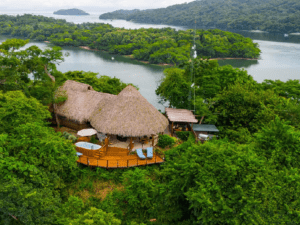
Unicorn Costa Rica — One of the clearly top sustainable destinations for 2026 Costa Rica aims for carbon-neutral status by 2026 and generates 99.7% of its electricity from renewable sources, has also instituted a “Payment for Ecosystem Services” program that rewards locals to preserve the rainforest instead of clearing it, and widely lauded as a global model in ecotourism with almost 30% of its land reserved for national parks and protected reserves. Australia is a biodiversity conservation travel leader and its iconic rainforests and wildlife programs protect over 500,000 species.
Types of accommodation on offer include award-winning eco-certified hotels & lodges within the Rainforest Alliance and certification equivalent range, including solar powered Nayara Springs in Costa Rica and other local brands such as Lapa Rios that provide continuous support to reforestation projects. Easily one of the world’s strictest certifications, the country’s Certification for Sustainable Tourism (CST) guarantees ethical travel practices across each level.
By 2026, expect new “Regenerative Tourism” packages where guests will actively engage with protecting sea turtles, monitoring jaguars and restoring rainforests. Costa Rica stands out for that balance between Slow travel and sustainability — the longer you stay in one place, the less transport induced emissions and more opportunities to build a deeper connection with local cultures.
Where carbon-climate-friendly vacations abound, the thrill of sprawling through cloud forests while visiting and zip-lining high above gleaming towns lying in blankets of fog is perhaps only matched by knowing that your visit to these fantastic places helps mitigate their footprint associated with tourism.
For Adventure Travelers: Trekking in Monteverde, Arenal Volcano, and responsibly spotting wildlife in Corcovado National Park.
Bhutan: Carbon Negative Nation of the World

Bhutan still remain one of the true responsible tourism led countries in the country. So far, it is the only country on this planet which is carbon-negative — growing enough trees to absorb three and a half times more CO₂ than it produces. Implemented via a Sustainable Development Fee of $200 per day in 2026, this model protects the tourism sector and allows it to support Gross National Happiness instead of mass commercialization as propelled by overly affordable tourism prices.
You hear and see it everywhere you go, the focus on Himalayan culture, cultural preservation in tourism. Visitors walk on the newly extended Trans-Bhutan Trail and stay in eco-certified community-owned hotels and lodges that echo conventional Bhutanese structures using contemporary solar technology.
Ultimate Place for Slow travel and Sustainability is Bhutan. The government positively dissuades you from visiting for a short time, which is why this month will see visitors stick around for two weeks or more. This method not only reduces the carbon footprint in tourism but also preserves sacred sites and strengthens rural economies.
Bhutan intends to be associated with green global travel destinations 2026 by maintaining all tourism transport being serviced using electric vehicles, accounting for 80% of the fleet by 2026.
For the Travel Lovers: Hiking along scenic trails leading up to the spectacular Tiger’s Nest Monastery (Paro Taktsang) & undertaking isolated Himalayan treks across unspoilt mountain valleys.
Slovenia: The Venice of Europe, one of the fastest growing sustainable tourism hotspot
Slovenia was the first country in the world to earn a “Green destination” certificate on national level. The capital Green capital Ljubljana remains a pioneer of urban sustainability with 80% of the city center car-free, and a waste management system with over 70% recycling.
Silently one of Europe’s cleanest and greenest hidden gems, Slovenia was also one of the first destination in the world with a national sustainability framework (“The Green Scheme of Slovenian Tourism”) protected forests cover more than half the entire country.
When it comes to sustainable hiking courses, Slovenia is right on top of the list and offers its national slovenian pride over in the Unesco-listed base camp of Triglav National Park upon cavalcade the Julian Alps. More than 300 providers in Slovenia have been certified so far by the “Slovenia Green” system, which makes finding eco-certified hotels and lodges that meet the highest European standard.
Slovenia will open new “Zero Waste Trails” & increase free-protection programs in 2026. The alpine beauty, Adriatic coastline and abundance of internationally-recognized eco-certifications make Slovenia one of the most sought eco-travel destinations in Europe.
Slovenia offers the ideal blend of nature, culture, and infrastructure — perfect for travelers who want to enjoy green travel without long-haul flights from Europe or North America.
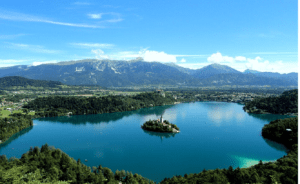
For Travellers: Cycle through alpine vineyards, take in fairytale-like Lake Bled, paddle pristine rivers (the standards for rafting on the emerald-clear Soča River are set high)
New Zealand — blend of Maori culture and eco-adventure tourism

Newzealand has changed the face of tourism industry through the Tiaki Promise, a national commitment all visitors to respect our land, sea and people. It has become a model for other countries with regards to ethical travel practices.
The country maintains huge nature reserves and is engaged in developing low-impact adventure eco-tourism. New Zealand wants all its tourism operators certified carbon-neutral by 2026. Electric campervans and hybrid tour buses are quickly and effectively replacing diesel vehicles by means of clean green energy, enabling sustainable tourism.
Other options for biodiversity conservation travel include kiwi bird recovery programmes and marine restoration projects in the Bay of Islands. Whatever the situation New Zealand finds itself in terms of environmental stewardship it is founded in Kaitiakitanga (the guardian of sky, land and sea) – a Māori concept that reminds New Zealanders we are transient visitors to earth. The very essence of Maori culture and people is so interwoven in the experience that cultural preservation tourism is woven into every interaction, rather than something on a shelf you see when you walk past.
With strict booking systems in huts and campsites, the country collects numbers on its well-known hiking paths to prevent people from eroding the paths and damaging fragile ecosystems. Neither of which sounds right, and neither of them justifies why New Zealand is firmly in the top tier of sustainable places to visit for adrenaline junkies with a conscience.
For Travellers: Getting your fill of the Great Walks (such as walking the Milford Track), sea kayaking in Abel Tasman National Park and gazing at stars in Dark Sky Reserves.
Norway —King of the Fjords, The Worlds Renewables and Sustainable arctic powerhouse
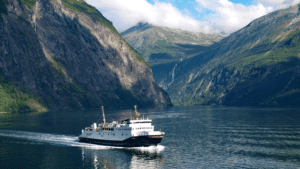
Norway dominates Green Transportation andRenewable Energy Norway is Leading the way In eco-friendly vacations in the Arctic All major cruise ships will be zero emissions or hybrid when entering its famous fjords by 2026. The country had already obtained more than 98% of its electricity from renewable hydropower.
The Svalbard archipelago of Norway embodies this commitment to Arctic sustainability, with strict regulations protecting polar bears and other fragile ecosystems. Eco-certified hotels and lodges — examples are the Powerhouse Brattøra in Trondheim, which produce more energy than they consume.
Travelers can catch the Northern Lights from carbonnegative glass igloos or glide through UNESCO-protected fjords on silent electric ferries. Norway is a country that does luxury, adventure, and real sustainability beautifully.
The country has outlawed deforestation-related activities, going so far as to cross it’s seas with massive network of electric-powered ferries, and is striving for complete climate neutrality. It also enforces Allemannsretten (the right to roam), permitting free access to the wilderness as long as travelers do not litter. This makes it among the 10 most important green global travel destinations for 2026 as it leads in carbon footprint reduction in tourism.
For Travellers: A stunning fjord tour on an electric boat, a hike up one of the most famous peaks Preikestolen (Pulpit Rock) and arrival to midnightsun in Arctic Circle
Palau – A Marine Biodiversity Champion Promoting an Eco-Tourism Pledge
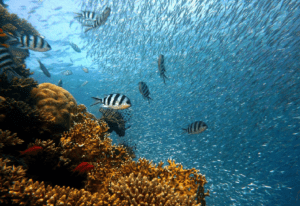
This small Pacific nation is optimistic by taking strong measures to secure its marine environment. In 2017, Palau changed the game for travel by introducing the Palau Pledge that visitors to this special place must agree and sign. Palau is notorious for requiring all incoming visitors to sign the Palau Pledge (stamped directly into your passport), which commits you to treading lightly, in front of the children of Palau. Furthermore,
Palau created one of the largest marine reserves in the world and prohibited reef-destructive chemical sunscreens. This was a historic ethical travel practices policy, enacted in 2026 and has inspired similar initiatives globally. One of the largest marine sanctuaries in the world is maintained by the country. Palau is the most divine destination for biodiversity travel with its dedication to protecting coral reefs and marine life. Palau has banned reef-toxic sunscreens and regulates diving to preserve reefs as pristine.
Eco-certified hotels and lodges collaborate with local communities, so the money coming from tourism funds conservation as well as cultural proetection within tourism. The Jellyfish Lake and the Rock Islands Southern Lagoon still surprise visitors while imparting powerful lessons about ocean stewardship.
Palau is still among the hardest to get to and least populated eco-friendly getaway destinations in the world.
Traveller Profile: Scuba divers and snorkelers wanting to get close to undisturbed coral reefs, marine parks and limestone islands including world-class scuba diving.
Iceland: Leading the Way in Geothermal Power & Green Tours
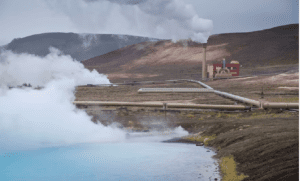
No country on earth extracts more geothermal energy than Iceland. Almost all its electricity and heating of it comes from renewable sources. The country will offer more electric vehicle chargers on its Ring Road from 2026, making self-drive climate-friendly trips even easier.
Dispite high visitor numbers, few have made such strides as Iceland has in slashing the carbon footprint of tourism. Now, many operators are providing total electric super-jeep tours for seeing glaciers and volcanoes. The world-renowned Blue Lagoon operates on geothermal energy, while eco-certified hotels and lodges are being constructed that utilize regenerative design principles.
Iceland is a great example of how renewable energy in tourism can turn the extreme climates and location into success stories in sustainable development. The dramatic volcanic and icy terrains of Iceland are so ecologically sensitive it has taken the lead in environmental conservation. It gets nearly 100 percent of its electricity and heating from renewable geothermal and hydroelectric sources. The nation places a strong emphasis on educating tourists, even encouraging them to take an official pledge and commit to ecotourism practices.
For the Travel Enthusiast: Seek out Aurora Borealis of the Northern Lights, Stand in Awe of Skógafoss waterfall and other Natural geothermal marvels as you learn how this tiny country uses its earth crust to cleanly power all infrastructure.
Guidelines to Work with Your Best Sustainable Tourism Hotspots for 2026
For 2026, you have so many options on the top 7 best sustainable global travel destinations from more marine life (Palau), mountains and culture (Bhutan) or adventure with Indigenous culture (New Zealand). They all score highly in Slow travel and sustainable practices, with their more structured integrity on ethical: travel.
Comparison Table
| Rank | Destination | Strength | Best For | Avg. Daily Cost (2026) |
|---|---|---|---|---|
| 1 | Bhutan | Carbon-negative | Culture & Slow Travel | $300+ |
| 2 | Palau | Marine protection | Diving & Ocean Conservation | $450+ |
| 3 | Costa Rica | Biodiversity | Wildlife & Adventure | $180–280 |
| 4 | Norway | Renewable energy | Fjords & Technology | $250–380 |
| 5 | New Zealand | Maori integration | Adventure & Culture | $220–350 |
| 6 | Iceland | Geothermal power | Geology & Northern Lights | $230–400 |
| 7 | Slovenia | Accessibility | European Green Escape | $140–250 |
Practical Guide to Environmentally Friendly Travel in 2026
To maximize your impact, always choose eco-certified hotels and lodges, practice Slow travel and sustainability, and participate in local conservation projects. Offset your remaining emissions only through verified Gold Standard or Verra projects. Pack light, use reef-safe sunscreen, support local businesses, and respect wildlife viewing distances.
The future of travel belongs to those who choose responsible tourism countries and actively contribute to biodiversity conservation travel and cultural preservation in tourism.
Frequently Asked Questions (FAQ)
1. What is the most sustainable country to visit in 2026?
Bhutan and Costa Rica lead global sustainability rankings. Bhutan remains the world’s only carbon-negative country, absorbing more CO₂ than it emits. Meanwhile, Costa Rica generates 99.7% of its electricity from renewable sources and aims for complete carbon neutrality by the end of 2026, making both top choices for eco-conscious travelers.
2. Why is Bhutan considered a carbon-negative travel destination?
Bhutan’s extensive forest cover—maintained at over 60% by constitutional law—allows it to absorb roughly three times more carbon dioxide than the nation produces. Combined with a mandatory Sustainable Development Fee for tourists, the country effectively funds environmental conservation and offsets its minimal tourism-related footprint.
3. What is the Palau Pledge and how does it affect tourists?
The Palau Pledge is a world-first immigration policy requiring visitors to sign an environmental checklist stamped directly into their passports. It is a legal commitment to the children of Palau to tread lightly, preserve the coral reefs, respect local culture, and sustain the island’s fragile marine biodiversity.
4. How is Costa Rica achieving carbon-neutral tourism?
Costa Rica utilizes a “Payment for Ecosystem Services” program that financially rewards locals for preserving rainforests instead of clearing them. Additionally, its strict Certification for Sustainable Tourism (CST) regulates hotels and tour operators, ensuring that adventures like rainforest trekking adhere to rigorous ethical and low-impact guidelines.
5. What makes Slovenia a top eco-friendly European destination?
Slovenia was the first nation to be declared a Green Destination of the World. Its capital, Ljubljana, features a completely car-free city center and boasts a 70% waste recycling rate. The country’s “Green Scheme” standardizes sustainability across accommodations, making it an accessible, low-carbon escape within Europe.
6. How does New Zealand integrate Indigenous culture into sustainable travel?
New Zealand uses the Māori concept of Kaitiakitanga (guardianship of the land, sea, and sky) to drive its tourism. Visitors commit to this via the Tiaki Promise. This integration ensures that cultural preservation and biodiversity conservation are part of every tour, prioritizing heritage alongside ecology.
7. Can you do a climate-friendly road trip in Iceland?
Yes. Iceland generates nearly 100% of its electricity and heating from geothermal and hydroelectric sources. By 2026, an expanded rapid-charging network along the Ring Road makes renting an electric vehicle seamless, allowing travelers to explore glaciers and volcanic landscapes with an exceptionally low carbon footprint.
8. How is Norway reducing the carbon footprint of fjord cruises?
Norway has implemented strict zero-emission regulations for its UNESCO-protected fjords. All major cruise ships and local ferries operating in these regions must use hybrid or fully electric propulsion systems. This transition protects the Arctic air quality and allows silent, pollution-free navigation through fragile marine ecosystems.
9. What is the best way to practice slow travel?
Slow travel focuses on quality over quantity. Instead of rushing through multiple cities, travelers stay in one region longer, use electric public transit or bikes, support locally owned businesses, and stay in eco-certified lodges. This minimizes transport emissions and fosters a deeper, more respectful connection with local communities.
10. How can I verify if a hotel is genuinely eco-certified?
Look for accommodations certified by reputable, globally recognized bodies accredited by the Global Sustainable Tourism Council (GSTC). Examples include EarthCheck, Green Key, Rainforest Alliance, or country-specific frameworks like the Slovenia Green or Costa Rica’s CST badges, which audit actual energy, waste, and community impacts.
Conclusion
The 7 best sustainable global travel destinations in 2026 prove that travel can regenerate rather than deplete our planet. By choosing green global travel destinations 2026 and committing to environmentally friendly travel, every traveler becomes part of the solution.
Start planning your journey today. The planet — and future generations– will thank you.