
Introduction
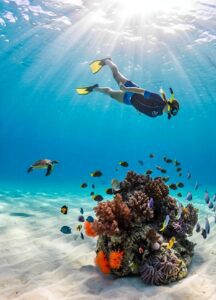
Picture yourself on a pristine white sand beach with turquoise waters sparkling in the tropical sunshine, sea turtles gliding by you through healthy coral reefs, local communities welcoming you and your holiday saving nature. The reason why you should actually start exploring sustainable beach destinations.
Coastlines are one of the most precious and also the most at risk of natural resources in the world. The United Nations Environment Programme (UNEP) says that around 11 million tonnes of plastic waste flows into oceans every year, placing marine life and coastal ecosystems at risk. At the same time, the Global Sustainable Tourism Council (GSTC) continues to urge destinations round the world to sign up for nature-friendly tourism and local community-supporting methods.
In fact, the right kinds of responsible beach tourism have begun to emerge along various coastal destinations with pro-coral reef policies, mangrove forest restoration, plastic waste reduction plans and community-based local-business assistance. These locations demonstrate that tourism and nature can coexist.
If your perfect beach holiday involves snorkelling above coral gardens in the Philippines, exploring a volcanic coastline in Japan or cycling through laid back island villages in Indonesia, here are some sustainable beach destinations to ensure you can experience all that beautiful coastal scenery this year whilst protecting marine conservation and local livelihoods too.
TravelsavvyHQ is introducing a very carefully curated list of are 12 Must-Visit Sustainable Beach Destinations Around The World For Your Bucket List in 2026. Each of these destinations was chosen for its exceptional natural beauty, sustainability dedication, biodiversity, and authentic visitor experiences.
From here, off we go across some of our planet’s most breathtaking coastlines.
Why Sustainable Beach Tourism Matters
Beaches are far more than places to relax. They are living ecosystems that protect coastlines, support millions of people, and provide habitats for countless marine species.
Healthy beaches are connected to:
- coral reefs
- marine protected areas
- mangrove forests
- marine biodiversity
- sea turtle conservation
- coastal ecosystems
- sustainable fisheries
These ecosystems protect coastal communities from storms, improve water quality, support fisheries, and attract millions of travelers every year.
However, rapid tourism development has created several challenges.
- Plastic pollution
- Coral reef damage
- Coastal erosion
- Overcrowding
- Loss of wildlife habitats
- Unsustainable resort development
Fortunately, many destinations have become leaders in responsible coastal travel by implementing waste management, renewable energy, plastic-free initiatives, reef restoration projects, and visitor education programs.
By choosing **eco-friendly beach destinations, every traveler can help preserve these spectacular coastlines for future generations.
How Travelsavvyhq Selected These Beaches
Every destination featured in this guide satisfies most of the following criteria.
✅ Strong commitment to marine conservation
✅ Healthy coral reefs
✅ Excellent water quality
✅ Active community-based tourism
✅ Protection of marine wildlife
✅ Sustainable accommodation options including eco resorts
✅ Responsible visitor management
✅ Support for local communities
✅ Rich natural beauty
Rather than choosing only famous beaches, TravelsavvyHQ selected destinations where sustainability is becoming an important part of the visitor experience.
Destinations Selected for this Article
| No. | Destination | Country |
| ① | Palawan | Philippines |
| ② | Okinawa | Japan |
| ③ | Gili Islands | Indonesia |
| ④ | Algarve | Portugal |
| ⑤ | Sardinia | Italy |
| ⑥ | Zanzibar | Tanzania |
| ⑦ | Seychelles | Seychelles |
| ⑧ | Costa Rica Pacific Coast | Costa Rica |
| ⑨ | Galápagos Coastal Areas | Ecuador |
| ⑩ | Fernando de Noronha | Brazil |
| ⑪ | Lord Howe Island | Australia |
| ⑫ | Abel Tasman National Park Coast | New Zealand |
Quick Comparison Snapshot
| Destination | Budget | Best For | Sustainability | Snorkeling | Family Friendly |
| Palawan | $$ | Island Hopping | ★★★★★ | ★★★★★ | ★★★★☆ |
| Okinawa | $$$ | Coral Reefs | ★★★★★ | ★★★★★ | ★★★★★ |
| Gili Islands | $$ | Marine Life | ★★★★☆ | ★★★★★ | ★★★☆☆ |
| Algarve | $$$ | Beaches | ★★★★★ | ★★★★☆ | ★★★★★ |
| Sardinia | $$$ | Scenic Coast | ★★★★☆ | ★★★★☆ | ★★★★★ |
| Zanzibar | $$ | Culture & Beaches | ★★★★☆ | ★★★★★ | ★★★★☆ |
| Seychelles | $$$$ | Luxury Nature | ★★★★★ | ★★★★★ | ★★★★★ |
| Costa Rica Pacific Coast | $$$ | Wildlife | ★★★★★ | ★★★★☆ | ★★★★★ |
| Galápagos | $$$$ | Marine Wildlife | ★★★★★ | ★★★★★ | ★★★★☆ |
| Fernando de Noronha | $$$$ | Diving | ★★★★★ | ★★★★★ | ★★★☆☆ |
| Lord Howe Island | $$$$ | Reef & Nature | ★★★★★ | ★★★★★ | ★★★★☆ |
| Abel Tasman Coast | $$$ | Coastal Hiking | ★★★★★ | ★★★★☆ | ★★★★★ |
Travelsavvyhq Tip: A higher travel budget does not always mean a more sustainable destination. Many places succeed because they invest in community tourism, wildlife conservation, and effective waste management, rather than luxury infrastructure.
1. Palawan, Philippines 🇵🇭
The Last Ecological Frontier of the Philippine


Maybe only the rest of torturous size to compare and Palawan` s amy at here in southeast Asia. Known as “The Last Ecological Frontier of the Philippines”, this island province is famous for its turquoise lagoons, surreal limestone cliffs & secluded beaches and one of the highest levels of marine biodiversity in the world.
Vibrant coral reefs, seagrass beds and other endangered marine species are protected in many areas of Palawan, thanks to the number of marine protected areas (MPAs) found throughout this province. It is one of the best eco-friendly beach destinations for you to involve local communities in conservation projects.
Why It Is Sustainable
Palawan demonstrates how tourism can protect nature while supporting local livelihoods.
Key sustainability initiatives include:
- Protected coral reefs
- Community-managed marine sanctuaries
- Plastic reduction campaigns
- Sustainable island-hopping regulations
- Eco-certified accommodations
- Support for local fishing communities
Best Experiences
- Island hopping around El Nido
- Kayaking through hidden lagoons
- Snorkeling over coral gardens
- Visiting the Puerto Princesa Underground River
- Watching spectacular sunsets from Nacpan Beach
Estimated Daily Budget
- Budget: US$45–60
- Mid-range: US$80–130
- Luxury: US$180+
Best Time to Visit — November to May
🌿 Travelsavvyhq Tip
Carry a reusable water bottle and avoid touching coral while snorkeling. Healthy reefs take decades to recover from even minor damage.
🌊 Did You Know?
Palawan lies within the Coral Triangle, one of the most biodiverse marine regions on Earth, home to thousands of fish and coral species.
2. Okinawa, Japan 🇯🇵
Japan’s Tropical Paradise

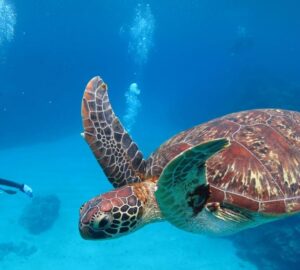

When most people think of Japan, they imagine temples, cherry blossoms, and bustling cities. Yet far to the south lies Okinawa, a subtropical archipelago renowned for its crystal-clear waters, colorful coral reefs, and relaxed island culture.
Okinawa is increasingly investing in marine conservation, reef restoration, and sustainable coastal tourism. Protected marine parks and environmental education programs help safeguard its underwater ecosystems while providing exceptional experiences for visitors.
Why It Is Sustainable
- Extensive coral reef protection
- Community beach-cleaning initiatives
- Sustainable diving practices
- Sea turtle conservation
- Environmentally conscious coastal management
Best Experiences
- Snorkeling in the Blue Cave
- Diving around the Kerama Islands
- Whale watching (seasonal)
- Exploring traditional Ryukyu villages
- Kayaking along the coastline
Estimated Daily Budget
- Budget: US$70–90
- Mid-range: US$130–180
- Luxury: US$250+
Best Time to Visit — April to June and September to November
🌿 TravelsavvyHQ Tip
Choose dive operators that follow responsible diving guidelines and encourage the use of reef-safe sunscreen.
🌊 Did You Know?
The waters around Okinawa support more than 400 species of coral, making them among the richest coral ecosystems in East Asia.
3. Gili Islands, Indonesia 🇮🇩
Where Island Life Meets Marine Conservation


Sea turtle snorkeling in the eco-friendly Gili Islands, Indonesia
Located just off the coast of Lombok, the Gili Islands—Gili Trawangan, Gili Air, and Gili Meno—offer a refreshing alternative to heavily developed beach destinations. With no private motorized vehicles on the islands, bicycles and horse-drawn carts help maintain a quieter, lower-emission atmosphere.
The islands are known for clear waters, thriving reefs, and conservation initiatives led by local organizations, including coral restoration and sea turtle protection. These efforts have strengthened the islands’ reputation as **sustainable beach destinations for travelers who value both relaxation and environmental responsibility.
Why They Are Sustainable
- Coral restoration projects
- Sea turtle conservation programs
- Plastic reduction campaigns
- Bicycle-friendly transport
- Locally owned guesthouses and cafés
- Community-supported reef monitoring
Best Experiences
- Snorkeling with sea turtles
- Learning about coral restoration
- Cycling around Gili Air
- Sunset viewpoints on Gili Trawangan
- Paddleboarding and kayaking
Estimated Daily Budget
- Budget: US$35–55
- Mid-range: US$70–120
- Luxury: US$180+
Best Time to Visit — May to October
🌿 TravelsavvyHQ Tip
Support locally owned eco-accommodations and avoid booking tours that disturb marine wildlife or encourage touching turtles.
🌊 Did You Know?
The Gili Islands are among Indonesia’s most popular places to observe green sea turtles in their natural habitat, thanks to long-term conservation and reef restoration efforts.
4. Algarve, Portugal 🇵🇹
Europe’s Sustainable Sunshine Coast


The golden beaches, towering limestone cliffs, hidden sea caves and picturesque fishing villages of Algarve are well known. As millions of tourists flock to Portugal’s southern coast eachyear, the Algarve has also emerged a European leader in responsible beach tourism thanks to carefully coordinatedcoastal management and environmental protection measures.
A number of its beaches fly the Blue Flag, an award that is given internationally for meeting high standards for water quality, safety, environmental education and sustainable management. Things like Ria Formosa Natural Park also protect lagoons, wetlands and habitats for birds that might otherwise go missing.
Why It Is Sustainable
The Algarve combines tourism with environmental responsibility through several initiatives.
- Numerous Blue Flag beaches
- Strong waste management systems
- Coastal habitat restoration
- Protection of wetlands and migratory birds
- Promotion of cycling and walking routes
- Support for locally owned businesses
Best Experiences
- Explore the sea caves of Benagil
- Walk along the cliffs of Ponta da Piedade
- Birdwatch at Ria Formosa Natural Park
- Enjoy dolphin-watching tours with certified operators
- Discover traditional fishing villages
Estimated Daily Budget
- Budget: US$70–90
- Mid-range: US$120–180
- Luxury: US$250+
Best Time to Visit — April to June and September to October
🌿 TravelsavvyHQ Tip
Visit during spring or autumn instead of the busy summer months. Traveling in the shoulder season reduces pressure on local infrastructure while providing a more peaceful experience.
🌊 Did You Know?
Portugal consistently ranks among the countries with the highest number of Blue Flag beaches, demonstrating its long-term commitment to clean and sustainable coastal tourism.
5. Sardinia, Italy 🇮🇹
The Emerald Jewel of the Mediterranean


With emerald waters, white sandy beaches, and rugged coastal landscapes, Sardinia is often compared to tropical islands. Yet beyond its beauty lies a strong commitment to protecting fragile marine environments.
Protected marine parks, strict visitor regulations in sensitive areas, and growing investments in eco-friendly accommodations have helped preserve Sardinia’s coastline. Areas such as the La Maddalena Archipelago National Park demonstrate how tourism can thrive while respecting marine biodiversity and coastal ecosystems.
Why It Is Sustainable
Sardinia protects both nature and local traditions.
Its strengths include:
- Protected marine protected areas
- Conservation of coral reefs
- Sustainable boating regulations
- Eco-certified hotels
- Promotion of local seafood and agriculture
- Community-supported tourism initiatives
Best Experiences
- Swim at La Pelosa Beach
- Cruise through La Maddalena Archipelago
- Hike to Cala Goloritzé
- Snorkel in crystal-clear waters
- Taste authentic Sardinian cuisine in family-run villages
Estimated Daily Budget
- Budget: US$80–110
- Mid-range: US$150–220
- Luxury: US$300+
Best Time to Visit — May to June and September
🌿 TravelsavvyHQ Tip
Use reusable beach bags and refillable bottles, and support small local restaurants that source seafood responsibly.
🌊 Did You Know?
Several beaches in Sardinia limit visitor numbers during peak season to protect fragile coastal ecosystems and reduce overcrowding.