


Introduction
Did you ever wonder how to travel for a low price and see beautiful places? OK, we promise the good news: you can have one (your budget) and eat it too (the planet). Many Affordable Sustainable Travel Destinations offer amazing natural beauty, culture as it is, and impressions for a reasonable price that kept them in the pocket for budget travelers today.
Travel habits are changing rapidly. Increasingly, there are those who want a holiday that has a positive impact rather than one that leaves behind environmental degradation. Recent global travel surveys show that nearly 80% of travelers claim to be seeking more sustainable travel options, but with many looking for destinations that provide greater value for money. Soaring travel costs have propelled people to explore more off-the-beaten-path areas where they can live high, but not really contribute to overtourism.
Fortunately, there are destinations around the world that still offer both affordability and sustainability. They protect nature, preserve local traditions and livelihoods, invest in communities and promote community tourism and sustainable development. Others put their dollars into eco-friendly hotels, public transport, wildlife conservation and responsible tourism programs that are beneficial to both tourists and locals.
This guide features twelve extraordinary destinations across four continents that allow you to immerse yourself in authentic culture, breathtaking landscapes, mouthwatering regional foods and inspirational experiences away from the stress of budgeting for much more. Whether you prefer walking among mountain scenery, chilling on tranquil beaches, exploring ancient villages, or discovering biodiversity rich regions of the world; there is a destination for everyone.
This guide will also teach you to do some budgeting, what really makes a destination sustainable, where to compare the cost of travelling around and what tips work for you, by spending relatively less on places with lower cost-of-travel destinations as your basis of enjoying affordable sustainable destinations. So where can your budget and sustainable adventure begin?
Why Affordable Sustainable Travel Destinations Is Rising Popularity?
The last decade has seen earth-shattering changes to travel. Regular humans don’t care about seeing big and famous monuments anymore or staying in luxury hotels. The traveler today seeks authenticity, the ability to connect with people and places who treat both people and nature as precious. This change is reflected in the growing popularity of Affordable Sustainable Travel Destinations.
One important reason is cost. Air tickets, hotel rooms and daily spendings are significantly increased in many world famous tourist cities. Consequently, travelers are looking for destinations that can provide great experiences at affordable prices. All of that is exactly what many rising destinations offer — stunning locations, vibrant cultures and low-cost services.
A third reason is increasing awareness of climate change and sustainable tourism. More travelers understand now that their decisions carry influence on the places they visit. These travelers prefer destinations that safeguard forests, beaches, wildlife and traditional cultures — not ones that exacerbate over-crowding and pollution.
We can easily explore new places using technology. Social media, travel blogs, and digital mapping make it easier for people to discover places that were previously off the radar. Numerous of these secret locations have become eco-tourism, put green establishments to use hot neighbourhood transportation and always boosted sustainable travel.
Travelers are also slowing more interest in slow travel. They focus on avoiding the rush of darting outside the countries in a few days. This not only helps mitigate transportation emissions but also boosts local businesses and deepens the engagement of visitors with local communities.
This trend has been encouraged by the governments around the globe scrambling to keep pace. Many tourist destinations now market themselves as having sustainably developed areas, conserving parks and resorts for enjoyment by the community, utilizing natural resources at a moderate rate such that it can be replenish over time.
The result is encouraging. Gone are the days where you need to spend a fortune every time you want to have an unforgettable vacation. There are lots of wonderful affordable eco-friendly destinations that represent fantastic value and actively protect their environment and culture.
What makes a Destination Affordable and Sustainable?
Unfortunately, not every affordable destination is sustainable and likewise, not every eco-friendly destination is affordable. The very best places are the ones that pull off both.
To begin with, low-cost locations generally have affordable rates for accommodation. Instead of the big international hotel chains, you are more likely to find family-owned guesthouses, eco-lodges, locally owned hotels and homestays. Staying in these types of accommodations not only saves money, but they also help boost the local economy.
Transportation too is an integral part. Efficient public transit systems, bicycle rentals and pedestrian friendly town centers can both minimize travel costs and carbon footprints within the destination. Travellers are relying less on transport and when they do, their carbon footprint is smaller.
Food is another important factor. A highlight of many budget destinations is the local markets and neighborhood restaurants that serve up fresh, regional fare at lower prices. By minimizing transportation emissions relating to imported food and generating income for local businesses, one can eat locally.
Successful budget-friendly eco tourism destinations also utilize revenues from the sector to invest in conservation of their natural attractions. Tourism revenue continues to support the ongoing conservation of national parks, marine reserves, forests and ecological habitats. Visitors get to take in breathtaking views while helping contribute to wildlife and environmental conservation.
High community engagement is another common trait. Residents get involved in tourism which involves running lodges, leading tours, crafting or culturally-themed experiences. This generates sustainable economic returns for third sector areas while conserving cultural identity.
Most of the destinations also promote renewable energy, improved waste management, plastic reduction programs and responsible water use. Such practical measures contribute to creating a healthier living environment for the local population and visitors alike.
In the end, the best affordable green travel experiences are those that go beyond luxury. They consist of authenticity, significance, stunning natural surrounding and the certainty that your presence somewhere serves those places you are visiting.
Compare These Affordable Sustainable Travel Destinations at a Glance
| Destination | Estimated budget
US $/day |
Best Time | Sustainability Highlight | Best For |
| Vietnam | 25-45 | Nov-Apr | Community tourism & national parks | Overall value |
| Laos | 25-45 | Nov-Feb | Slow tourism & village experiences | Backpackers |
| Georgia | 35-60 | May-Oct | Mountain communities | Food & culture |
| Nepal | 35-50 | Mar-May, Oct-Nov | Community trekking | Adventure |
| Sri Lanka | 35-60 | Dec-Apr | Eco-lodges & biodiversity | Families |
| Kyrgyzstan | 35-60 | June-Sept | Nomadic tourism | Mountain travel |
1. Vietnam – Best Overall Value for Sustainable Travelers
| Feature |
Details
|
| 🌏 Region | Southeast Asia |
| 💰 Budget Snapshot | Budget: US$25–45/day • Mid-range: US$60–100/day • Luxury: US$180+/day |
| 🗓️ Best Time to Visit | November to April |
| 🌿 Sustainability Highlight | Community-based tourism, protected national parks, eco-lodges |
| ⭐ Best For | Backpackers, couples, solo travelers, food lovers |
| ♻️ Responsible Travel Tip | Stay in locally owned homestays and travel by train whenever possible. |

Vietnam never fails to feature high on the list of budget affordable sustainable travel destinations. It has stunning scenery, amazing food, friendly people and is a great value for money. The limestone islands of Ha Long Bay, the mountain villages in Sapa and cryptically street-lit alleys of Hoi An; wherever you travel on no matter your budget
Good transportation system is one of Vietnam’s top advantages. Most of the major cities are connected through overnight train and affordable bus routes, which makes travelling long distances relatively affordable. Not only does this extensive public transportation system reduce carbon emissions compared to domestic flights, but it also reduces the environmental impact of travel.
Community tourism is being embraced in different rural areas of today’s Vietnam. Families open their homes to visitors, providing real cultural experiences and livelihoods for local families. Most of these homestays provide home-grown food sometimes adding a local economy to support nearby farmers and entrepreneurs.
If you are a nature lover as such, Vietnam’s efforts to conserve the environment will be appealing. Phong Nha–Kẻ Bàng National Park and Cúc Phương National Park are national parks with wildlife, caves and forest areas for tourists to explore within safe, secure limits.
One of the other things which makes Vietnam a unique place is its food. Street food is hot, yummy and affordable. Street food is typically only a few dollars for a bowl of pho or bánh mì from a local vendor, allowing travelers the opportunity to experience native meals without dependence on international restaurants.
Why Vietnam Is Affordable
- Budget accommodation from US$10–20 per night.
- Affordable rail and bus travel.
- Low-cost local food.
- Numerous free or inexpensive cultural attractions.
Sustainability Highlights
- Growing number of green accommodations.
- Expansion of eco-tourism projects.
- Community-based trekking.
- National parks protecting biodiversity.
- Increased focus on plastic reduction in tourism.
Vietnam proves that low-cost sustainable travel can be both exciting and deeply rewarding.
2. Laos – Best for Slow and Peaceful Travel
|
Feature
|
Details |
| 🌏 Region | Southeast Asia |
| 💰 Budget Snapshot | Budget: US$25–45/day • Mid-range: US$60–90/day • Luxury: US$150+/day |
| 🗓️ Best Time to Visit | November to February |
| 🌿 Sustainability Highlight | Slow tourism, village-based tourism, river conservation |
| ⭐ Best For | Backpackers, photographers, slow travelers |
| ♻️ Responsible Travel Tip | Support village cooperatives and purchase handmade local products. |

Laos should be on your travel list if your dream holiday is filled with serene rivers, ancient temples and real village life. This beautiful country continues to be one of the most affordable places in Asia whilst continuing to advocate for sustainable tourism, responsible travel and ethical tourism.
Laos invites you to slow down unlike many packed tourist traps. Rather than running around from site to site, travelers take their time and enjoy the local culture, nature, and traditional ways of life. This aligns well with the slow travel movement and help counter some of the negative impact created by mass tourism.
Luang Prabang, an ancient town surrounded by the UNESCO world heritage site with ample opportunities in sustainable tourism activities. Local authorities collaborate with the community to not only preserve cultural traditions but also promote sustainable tourism businesses.
Some Villages Hosts Visitors with Community Tourism Projects. Visitors learn how to weave, farm and cook in traditional ways while giving back directly to local communities.
The rivers and forests in Laos are also attractive. Protected natural areas promote the conservation of wildlife, and Eco-Lodges reduce their environmental footprint by minimising waste and conserving water.
Transportation continues to be incredibly affordable, and budget guesthouses offer a comfortable stay on a shoestring. With the affordable prices of street food and great hospitality, however, Laos offers great value for the traveller looking for authenticity.
Why Laos Is Affordable
- Comfortable guesthouses from US$12–20 per night.
- Affordable local transportation.
- Low-cost traditional meals.
- Excellent value for extended stays.
Sustainability Highlights
- Village tourism projects.
- Eco lodges using sustainable practices.
- River and forest conservation.
- Promotion of traditional handicrafts.
- Reduced dependence on mass tourism.
Laos demonstrates that affordable eco-friendly destinations don’t need luxury resorts to provide unforgettable experiences.
3. Nepal – Best for Adventure and Community Trekking
| Feature |
Details
|
| 🌏 Region | South Asia |
| 💰 Budget Snapshot | Budget: US$30–50/day • Mid-range: US$70–120/day • Luxury: US$220+/day |
| 🗓️ Best Time to Visit | March–May and October–November |
| 🌿 Sustainability Highlight | Community trekking, mountain conservation, local homestays |
| ⭐ Best For | Adventure seekers, trekkers, photographers |
| ♻️ Responsible Travel Tip | Hire licensed local guides and stay in community-owned teahouses whenever possible. |

Nepal is the Himalayas for many travelers. But behind the towering highest peaks of the world awaits one of Asia’s finest budget sustainable travel destinations blending adventure with culture and sustainability in perfect combination.
Nepal has emerged as an international destination for community tourism. You stay in teahouses run by local families who offer comfortable lodgings and meals made with homegrown ingredients, along well-known trekking routes like Annapurna and Langtang. Each night you spend in the villages contributes to local income-generating activities, with your funds providing employment and deterring migration from remote mountain areas.
A far cry from the luxury mountain resort lifestyle, these family-owned lodges provide inexpensive lodging and real-life encounters. Travelers sit down with local families, taste traditional Nepali food, and experience mountain culture in a way that organized package tours rarely provide.
The protected areas of the country like Sagarmatha National Park and Chitwan National Park are the best cases of environmental use. Visitor fees directly help to keep trails open, forests protected and wildlife there for future generations.
Transportation cost within Nepal is also quite reasonable. Mountain flights can be expensive until one arrives at the Himalayas where trekking itself is the main vehicle, buses are there but cities remain relatively connected.
Why Nepal Is Affordable
- Teahouses from US$10–20 per night.
- Inexpensive local meals.
- Budget-friendly trekking routes.
- Affordable domestic transportation.
Sustainability Highlights
- Community-managed trekking.
- Conservation-funded tourism.
- Support for mountain villages.
- Protected national parks.
- Growth of eco lodges.
Nepal proves that unforgettable adventures don’t require luxury budgets. Instead, they require curiosity, respect for nature, and a willingness to travel responsibly.
4. Sri Lanka – Best Affordable Island Escape
| Feature |
Details
|
| 🌏 Region | South Asia |
| 💰 Budget Snapshot | Budget: US$35–60/day • Mid-range: US$80–140/day • Luxury: US$220+/day |
| 🗓️ Best Time to Visit | December–April (south & west), May–September (east coast) |
| 🌿 Sustainability Highlight | Eco-lodges, wildlife parks, tea plantations |
| ⭐ Best For | Families, couples, beach lovers |
| ♻️ Responsible Travel Tip | Choose safari operators that follow ethical wildlife viewing practices. |

Some will point to Sri Lanka as one of the most diverse travel destinations in Asia. There is so much within a small isle: golden beaches, tea plantations, ancient temples, rain forests and wildlife galore — all without spending a fortune.
Considered one of the best affordable eco-friendly holiday destinations in the world, Sri Lanka is an amazing destination for lazy beach holidays or adventurous trips. Low-cost motels, family-owned lodging inns and local eco-friendly hotels are commonly seen across the nation.
One of Sri Lanka’s best assets is its nature. Yala, Udawalawe, and Wilpattu status are covered by tourism management programs for elephants, leopards, crocodiles, and hundreds of bird species.
Likewise, the island’s renowned tea-growing belts in Ella and Nuwara Eliya showcase a symbiotic relationship between agriculture and tourism. While doing so, visitors support local workers and local businesses as they learn all about sustainable tea production.
The train journey itself is an unforgettable experience. Scenic train rides through foggy mountains almost as more affordable and greener alternative to personal automobiles, the public vehicles form fun with part of the trip.
Why Sri Lanka Is Affordable
- Guesthouses from US$20–30 per night.
- Budget-friendly train travel.
- Affordable local restaurants.
- Low-cost entrance to many attractions.
Sustainability Highlights
- Expanding green accommodations.
- Protected wildlife reserves.
- Community tourism initiatives.
- Sustainable agriculture.
- Marine conservation projects.
Sri Lanka combines beautiful landscapes, warm hospitality, and rich biodiversity, making it one of Asia’s most rewarding destinations for responsible travel.
5. Kyrgyzstan – Best for Nomadic Culture and Mountain Eco-Tourism
| Feature |
Details
|
| 🌏 Region | Central Asia |
| 💰 Budget Snapshot | Budget: US$35–60/day • Mid-range: US$80–130/day • Luxury: US$200+/day |
| 🗓️ Best Time to Visit | June–September |
| 🌿 Sustainability Highlight | Nomadic tourism, alpine conservation, yurt stays |
| ⭐ Best For | Hikers, campers, adventure seekers |
| ♻️ Responsible Travel Tip | Stay in traditional yurts operated by local families and respect grazing lands and mountain ecosystems. |
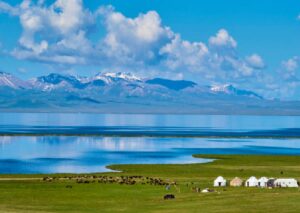
Kyrgyzstan is actually one of more underrated gems of Central Asia. The towering mountains, pristine alpine lakes, endless grass plains and millennia-old nomadic traditions create a traveller’s paradise.
In stark contrast to crowded alpine destinations in Europe, Kyrgyzstan provides stunning mountain experiences for a small fraction of the price. Backpacking, camping and horseback riding are still open to travelers living on shoestring budgets.
A lot of the guests stay in traditional yurts run by local families. These experiences bolster community tourism, protect nomadic culture and provide an immediate income stream directly to rural communities.
Protected mountain landscapes encourage environmental conservation, while tourism initiatives focus on creating forest reserves that attract conservation-minded tourists who can experience some of the world´s most fragile alpine ecosystems before they are lost to future generations.
Transportation from major towns is affordable and local food is still very affordable, making Kyrgyzstan an attractive eco- tourist destination for budget sociability of outdoor lovers.
Why Kyrgyzstan Is Affordable
- Yurt stays from US$20–30 per night.
- Low-cost shared transportation.
- Affordable local cuisine.
- Excellent value trekking opportunities.
Sustainability Highlights
- Community-based yurt tourism.
- Mountain conservation.
- Cultural preservation.
- Eco-friendly trekking.
- Responsible horseback tourism.
Kyrgyzstan perfectly combines adventure, affordability, and sustainability in one remarkable destination.
6. Georgia – Best for Culture, Food, and Mountain Adventures
| Feature | Details
|
| 🌍 Region | Europe–Asia (Caucasus) |
| 💰 Budget Snapshot | Budget: US$35–60/day • Mid-range: US$80–140/day • Luxury: US$200+/day |
| 🗓️ Best Time to Visit | May–October |
| 🌿 Sustainability Highlight | Mountain villages, protected parks, local wine tourism |
| ⭐ Best For | Food lovers, hikers, cultural travelers |
| ♻️ Responsible Travel Tip | Stay in locally owned mountain guesthouses and hire certified local guides for trekking. |
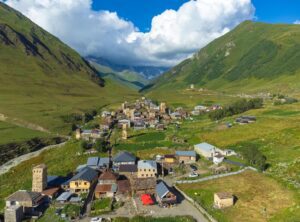
Georgia is one of Europe’s best-kept travel secrets. Nestled between Europe and Asia, this beautiful country offers dramatic mountain scenery, ancient monasteries, welcoming hospitality, and exceptional food—all at surprisingly affordable prices.
For travelers seeking budget sustainable travel destinations, Georgia delivers outstanding value. Accommodation is reasonably priced, transportation is inexpensive, and meals at traditional restaurants are both delicious and affordable.
The country’s famous hospitality is another reason visitors return again and again. Many families operate guesthouses where travelers enjoy homemade meals prepared with locally grown ingredients. This directly supports local businesses and creates valuable income for local communities.
Georgia is also making steady progress in responsible tourism. Protected areas such as Kazbegi National Park and Borjomi-Kharagauli National Park safeguard forests, wildlife, and mountain ecosystems while promoting environmentally friendly tourism.
One of Georgia’s unique attractions is its ancient wine culture. Several wineries have adopted sustainable farming methods, allowing visitors to experience traditional wine-making while supporting rural communities.
Outdoor enthusiasts will love hiking through the spectacular Caucasus Mountains. Well-marked trails connect remote villages where visitors experience authentic local life far away from crowded tourist destinations.
Why Georgia Is Affordable
- Comfortable guesthouses from US$20–30 per night.
- Affordable intercity buses and trains.
- Excellent local cuisine at modest prices.
- Free mountain hiking opportunities.
Sustainability Highlights
- Expanding community tourism.
- Family-owned accommodations.
- Protected mountain landscapes.
- Traditional agriculture.
- Growing eco-tourism initiatives.
Georgia perfectly combines affordability, adventure, and rich culture.
What These Affordable Sustainable Travel Destinations Have in Common
Although these twelve destinations are spread across four continents, they share several characteristics that make them ideal for travelers seeking meaningful experiences without overspending.
1. They Support Local Communities
Whether you stay in a family-run guesthouse in Vietnam, a mountain teahouse in Nepal, or a traditional yurt in Kyrgyzstan, your spending directly benefits local families. This creates jobs, strengthens rural economies, and helps preserve local traditions.
2. They Protect Nature
Each destination actively invests in environmental conservation through protected national parks, marine reserves, forest conservation, or wildlife management. Tourism revenue often funds important conservation projects.
3. They Encourage Responsible Tourism
These destinations promote responsible travel by encouraging visitors to reduce waste, respect local customs, conserve water, and choose environmentally responsible accommodations and tour operators.
4. They Offer Excellent Value for Money
Affordable accommodation, inexpensive local transportation, and reasonably priced meals allow travelers to enjoy longer vacations without compromising on quality.
5. They Celebrate Local Culture
From traditional weaving in Guatemala to nomadic hospitality in Kyrgyzstan, these destinations encourage visitors to experience authentic culture rather than manufactured tourist attractions.
6. They Reduce the Pressure of Overtourism
Choosing emerging destinations instead of overcrowded hotspots helps distribute tourism more evenly while creating new economic opportunities for lesser-known regions.
7. They Promote Community Tourism
Community-owned accommodations, local guides, artisan cooperatives, and cultural experiences ensure tourism benefits residents instead of only large corporations.
8. They Inspire Better Travel Choices
Perhaps the greatest lesson these destinations teach us is that unforgettable journeys are not defined by luxury hotels or expensive attractions. Instead, they are shaped by genuine human connections, breathtaking landscapes, and respect for the places we visit.
By choosing Affordable Sustainable Travel Destinations, travelers can explore the world responsibly while making a positive difference for both people and the planet.
Conclusion
Travel re-frames the lens through to interpret the world. At this point, it presents us with new cultures, stunning scenery, incredible wildlife and countless personalities. But it also carries responsibility.
This guide features twelve Affordable Sustainable Travel Destinations which demonstrates that meaningful travel need not be costly. All are authentic — no packaged two weeks for the price of one here — and they welcome responsible travelers, from the rice terraces of Vietnam and quiet villages of Laos to Himalayan trails in Nepal, Albanian beaches, Madagascar’s rainforests or mountain pastures around Kyrgyzstan.
All these locations are a reminder that sustainability does not require forfeiting adventure or comfort. It revolves around considerate decisions – from supporting local communities, selecting green accommodations and opted for public transport to natural heritage conservation as well as protection of the precious natural environments that make these destinations such special places.
While tourism is one of the largest industries growing around the globe, we can all do our part to become part of the solution. Through selecting those places that protect nature and the environment, promote community tourism in local communities, and have an ethical form of travel, we make sure that future generations can also marvel at these magnificent beasts.
Wherever your travels may take you, travel with curiosity, kindness, and respect. The memories you make will stay with you forever, and the mark you leave might even outlast you.
Travel better. Spend wisely. Create a little ripple effect by leaving every place you go a bit better than you found it.
Frequently Asked Questions (FAQs)
Where is the affordable sustainable travel destination?
A place that allows affordable trip and conserve nature, assist the local people and preserve positive tourism.
The most affordable destination for sustainable travel?
Vietnam is always a top destination for budget travel because of affordable transportation, local food, community tourism and lots of natural hotspots.
Does Sustainable Travel Have to Be More Expensive?
Answer: No: locally owned accommodations, public transport and local food are frequently affordableer than traditional tourism options.
What separates truely sustainable accommodations from the rest?
Identify credible sustainable certifications, businesses are locally owned and sustainable operations in place with written environmental policy.
Why You Should Go for Lesser Known Destinations?
They face milder overtourism, more authentic experiences and the income shares to smaller communities.
What is community tourism?
Community tourismThis is basically a model where the owners of or who lead tourism businesses are local residents which ensures economic return stays within the community.
How much should I set a budget for these destinations?
Blue Guide You will typically find most places mentioned in this guide can be visited for US$25–60 per day whether you are particularly budget-conscious or not.
For Wildlife Lovers: Which Destination Is Best?
Tropical Madagascar is famous for its unique offbeat wildlife but others in the list, such as Romania and Sri Lanka will also satisfy wildlife enthusiasts too.
But are these places good for solo touristing?
Yes. World travels to especially affordable, low travel-conscious solo destinations like Vietnam, Laos, Nepal, Georgia and Albania.
Can plans for affordable sustainable travel become a reality for families?
Absolutely. For families, there are many destinations with nature parks, cultural opportunities and affordable accommodation: Sri Lanka, Romania and even Vietnam.
Why does choosing local businesses matter?
When you buy local products, hire local guides, and stay in family-owned accommodations, more tourism revenue stays within the community, supporting livelihoods and preserving cultural traditions.