Discover 12 Global Sustainable Beach Destinations You Must Visit in 2026

Introduction

Picture yourself on a pristine white sand beach with turquoise waters sparkling in the tropical sunshine, sea turtles gliding by you through healthy coral reefs, local communities welcoming you and your holiday saving nature. The reason why you should actually start exploring sustainable beach destinations.

Coastlines are one of the most precious and also the most at risk of natural resources in the world. The United Nations Environment Programme (UNEP) says that around 11 million tonnes of plastic waste flows into oceans every year, placing marine life and coastal ecosystems at risk. At the same time, the Global Sustainable Tourism Council (GSTC) continues to urge destinations round the world to sign up for nature-friendly tourism and local community-supporting methods.

In fact, the right kinds of responsible beach tourism have begun to emerge along various coastal destinations with pro-coral reef policies, mangrove forest restoration, plastic waste reduction plans and community-based local-business assistance. These locations demonstrate that tourism and nature can coexist.

If your perfect beach holiday involves snorkelling above coral gardens in the Philippines, exploring a volcanic coastline in Japan or cycling through laid back island villages in Indonesia, here are some sustainable beach destinations to ensure you can experience all that beautiful coastal scenery this year whilst protecting marine conservation and local livelihoods too.

TravelsavvyHQ is introducing a very carefully curated list of are 12 Must-Visit Sustainable Beach Destinations Around The World For Your Bucket List in 2026. Each of these destinations was chosen for its exceptional natural beauty, sustainability dedication, biodiversity, and authentic visitor experiences.

From here, off we go across some of our planet’s most breathtaking coastlines.

Why Sustainable Beach Tourism Matters

Beaches are far more than places to relax. They are living ecosystems that protect coastlines, support millions of people, and provide habitats for countless marine species.

Healthy beaches are connected to:

  • coral reefs
  • marine protected areas
  • mangrove forests
  • marine biodiversity
  • sea turtle conservation
  • coastal ecosystems
  • sustainable fisheries

These ecosystems protect coastal communities from storms, improve water quality, support fisheries, and attract millions of travelers every year.

However, rapid tourism development has created several challenges.

  • Plastic pollution
  • Coral reef damage
  • Coastal erosion
  • Overcrowding
  • Loss of wildlife habitats
  • Unsustainable resort development

Fortunately, many destinations have become leaders in responsible coastal travel by implementing waste management, renewable energy, plastic-free initiatives, reef restoration projects, and visitor education programs.

By choosing **eco-friendly beach destinations, every traveler can help preserve these spectacular coastlines for future generations.

How Travelsavvyhq Selected These Beaches

Every destination featured in this guide satisfies most of the following criteria.

✅ Strong commitment to marine conservation

✅ Healthy coral reefs

✅ Excellent water quality

✅ Active community-based tourism

✅ Protection of marine wildlife

✅ Sustainable accommodation options including eco resorts

✅ Responsible visitor management

✅ Support for local communities

✅ Rich natural beauty

Rather than choosing only famous beaches, TravelsavvyHQ selected destinations where sustainability is becoming an important part of the visitor experience.

Destinations Selected for this Article

No. Destination Country
Palawan Philippines
Okinawa Japan
Gili Islands Indonesia
Algarve Portugal
Sardinia Italy
Zanzibar Tanzania
Seychelles Seychelles
Costa Rica Pacific Coast Costa Rica
Galápagos Coastal Areas Ecuador
Fernando de Noronha Brazil
Lord Howe Island Australia
Abel Tasman National Park Coast New Zealand

Quick Comparison Snapshot

Destination Budget Best For Sustainability Snorkeling Family Friendly
Palawan $$ Island Hopping ★★★★★ ★★★★★ ★★★★☆
Okinawa $$$ Coral Reefs ★★★★★ ★★★★★ ★★★★★
Gili Islands $$ Marine Life ★★★★☆ ★★★★★ ★★★☆☆
Algarve $$$ Beaches ★★★★★ ★★★★☆ ★★★★★
Sardinia $$$ Scenic Coast ★★★★☆ ★★★★☆ ★★★★★
Zanzibar $$ Culture & Beaches ★★★★☆ ★★★★★ ★★★★☆
Seychelles $$$$ Luxury Nature ★★★★★ ★★★★★ ★★★★★
Costa Rica Pacific Coast $$$ Wildlife ★★★★★ ★★★★☆ ★★★★★
Galápagos $$$$ Marine Wildlife ★★★★★ ★★★★★ ★★★★☆
Fernando de Noronha $$$$ Diving ★★★★★ ★★★★★ ★★★☆☆
Lord Howe Island $$$$ Reef & Nature ★★★★★ ★★★★★ ★★★★☆
Abel Tasman Coast $$$ Coastal Hiking ★★★★★ ★★★★☆ ★★★★★

Travelsavvyhq Tip: A higher travel budget does not always mean a more sustainable destination. Many places succeed because they invest in community tourism, wildlife conservation, and effective waste management, rather than luxury infrastructure.

1. Palawan, Philippines 🇵🇭

The Last Ecological Frontier of the Philippine

https://images.openai.com/static-rsc-4/e55m1ZHcLMJxi9676qutISm07_wPt-XqZVKmic6TSjp9sBc_CwneLU2ENnMg1Ik6xVguEyHjU_gZB47KMC-oPa_KEtSvnd3LSdZxyhPvHX0A-rkm_KCtZutQJPnkT-MUV1LBhIdoDuWPWqSMWD4Qgq5B1JkeI5HhYJTbnFgOOLMM1UQGyzhLIUmDvyDUeowz?purpose=fullsize   shallow water near rocky islands, experiencing one of the world’s most breathtaking sustainable beach destinations.   https://images.openai.com/static-rsc-4/oprnR39Iw9m_7Wgj71dkU2WpvZEsv8M8f4UoWfsirWvt432UM03tQzKbelabqANuYCHYImxHkCgOoBa9g1Fk6tDNYfyOkMLBhcS0X024g2L4WmjXqI_dOQJDkpBtIIOMmoddkow2kLMeWNxLEzS3OGsg_a8kT2iGHeJjcAv_64RXl58bEd4JNIV1s14OyzvD?purpose=fullsize

Eco-friendly beach and limestone islands in Palawan, Philippines

Maybe only the rest of torturous size to compare and Palawan` s amy at here in southeast Asia. Known as “The Last Ecological Frontier of the Philippines”, this island province is famous for its turquoise lagoons, surreal limestone cliffs & secluded beaches and one of the highest levels of marine biodiversity in the world.

Vibrant coral reefs, seagrass beds and other endangered marine species are protected in many areas of Palawan, thanks to the number of marine protected areas (MPAs) found throughout this province. It is one of the best eco-friendly beach destinations for you to involve local communities in conservation projects.

Why It Is Sustainable

Palawan demonstrates how tourism can protect nature while supporting local livelihoods.

Key sustainability initiatives include:

  • Protected coral reefs
  • Community-managed marine sanctuaries
  • Plastic reduction campaigns
  • Sustainable island-hopping regulations
  • Eco-certified accommodations
  • Support for local fishing communities

Best Experiences

  • Island hopping around El Nido
  • Kayaking through hidden lagoons
  • Snorkeling over coral gardens
  • Visiting the Puerto Princesa Underground River
  • Watching spectacular sunsets from Nacpan Beach

Estimated Daily Budget

  • Budget: US$45–60
  • Mid-range: US$80–130
  • Luxury: US$180+

Best Time to Visit  — November to May

🌿 Travelsavvyhq Tip

Carry a reusable water bottle and avoid touching coral while snorkeling. Healthy reefs take decades to recover from even minor damage.

🌊 Did You Know?

Palawan lies within the Coral Triangle, one of the most biodiverse marine regions on Earth, home to thousands of fish and coral species.

2. Okinawa, Japan 🇯🇵

Japan’s Tropical Paradise

https://images.openai.com/static-rsc-4/v1PmV2-nAT2Zg812KXfmFywQ0XrILho6FIO4YfDgholsvQ7ZVPXUpA3o-gTo-H9CD164nO0fYnuC-yJOPL6YrBxeeqRORZHBRFe2Mzmvrqp1UBg0IOVGlrcs_SPRo7JFUpyPftMc3wFh544bA3CeMDF1dPAChWN8taIcuORCjPbTbruNGKcLYaQRq-bY_7oG?purpose=fullsize     100     https://images.openai.com/static-rsc-4/4Och4JXmu91k1GMqEpPBYQzU7paYrefq-yrosLxVE-DbrtziXMQj8hOuAD1Yg7NpL97TIf9pK2dqR5Q9G5PvdLg5XHv-31VfJUljAAwOEjBheFera3sISH5ZeJ3JZxz8wbjhhGGFk1EURzL8madp49UizIGH1GS2HkMcQDeVCrWoJDndis2adxlb-UiLe4Y4?purpose=fullsize
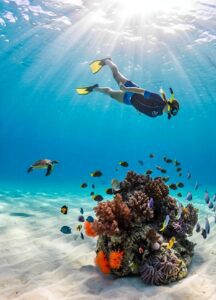
Coral reef snorkeling at Okinawa’s sustainable beaches

When most people think of Japan, they imagine temples, cherry blossoms, and bustling cities. Yet far to the south lies Okinawa, a subtropical archipelago renowned for its crystal-clear waters, colorful coral reefs, and relaxed island culture.

Okinawa is increasingly investing in marine conservation, reef restoration, and sustainable coastal tourism. Protected marine parks and environmental education programs help safeguard its underwater ecosystems while providing exceptional experiences for visitors.

Why It Is Sustainable

  • Extensive coral reef protection
  • Community beach-cleaning initiatives
  • Sustainable diving practices
  • Sea turtle conservation
  • Environmentally conscious coastal management

Best Experiences

  • Snorkeling in the Blue Cave
  • Diving around the Kerama Islands
  • Whale watching (seasonal)
  • Exploring traditional Ryukyu villages
  • Kayaking along the coastline

Estimated Daily Budget

  • Budget: US$70–90
  • Mid-range: US$130–180
  • Luxury: US$250+

Best Time to Visit — April to June and September to November

🌿 TravelsavvyHQ Tip

Choose dive operators that follow responsible diving guidelines and encourage the use of reef-safe sunscreen.

🌊 Did You Know?

The waters around Okinawa support more than 400 species of coral, making them among the richest coral ecosystems in East Asia.

3. Gili Islands, Indonesia 🇮🇩

Where Island Life Meets Marine Conservation

 https://images.openai.com/static-rsc-4/CROMF5QDV9AJ32fuI_MpO0VgIe82AJLX3JwWRu_nrESzFyTLH3ZE1IyGmGic51AfhHjJbWtNE3urXlr1OpbJIfYKsP-nCJ-GWZ0FFqtDRpS9n-HfdS892YA7-7Siq8r5eLgJoShrEsoxV8hRRihJsJRiYrVYVFLzd4TtOvbonO2dHXfVJOiS9GcXb7dO8z0B?purpose=fullsize     https://images.openai.com/static-rsc-4/Wy7dki54keyusMsHcVkhL9J-HuwMNv_gqtZ9WPjtBr7-iI5-mvhUwBl06wAO4ORSa1LxeHVFVtsY-la8UcLhYiEvUfnn320JAYi9sCynFlfIrxNOp61cq4oBA-jgDPXI5FsNjHjCzKn8RsmoEw30E4D6mK8OvWIDtWvp07hvIvxjYsO1VhjE119mlkrx5RrS?purpose=fullsize    https://images.openai.com/static-rsc-4/-N7CwTMWidXC6yEUWLrzb2is38OddWNsaTXy0uZpV03UgnapgRcYPD_QZONs1G8EVwsVIEL9oRbXWj33LxtwbSbmOebng_Zf2zaG5jfhCQXaGGASr_VX7XUCV_SovFlb11GzBqGdoT-z4Rz56Um88Pa8Hz0aY9uz39zGjfwD9OpkmACRgqftEtIxILEmfa2H?purpose=fullsize

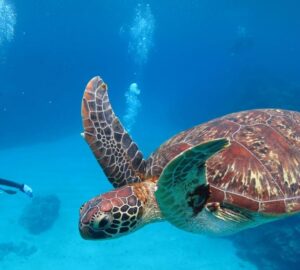
Sea turtle snorkeling in the eco-friendly Gili Islands, Indonesia

Located just off the coast of Lombok, the Gili Islands—Gili Trawangan, Gili Air, and Gili Meno—offer a refreshing alternative to heavily developed beach destinations. With no private motorized vehicles on the islands, bicycles and horse-drawn carts help maintain a quieter, lower-emission atmosphere.

The islands are known for clear waters, thriving reefs, and conservation initiatives led by local organizations, including coral restoration and sea turtle protection. These efforts have strengthened the islands’ reputation as **sustainable beach destinations for travelers who value both relaxation and environmental responsibility.

Why They Are Sustainable

  • Coral restoration projects
  • Sea turtle conservation programs
  • Plastic reduction campaigns
  • Bicycle-friendly transport
  • Locally owned guesthouses and cafés
  • Community-supported reef monitoring

Best Experiences

  • Snorkeling with sea turtles
  • Learning about coral restoration
  • Cycling around Gili Air
  • Sunset viewpoints on Gili Trawangan
  • Paddleboarding and kayaking

Estimated Daily Budget

  • Budget: US$35–55
  • Mid-range: US$70–120
  • Luxury: US$180+

Best Time to Visit — May to October

🌿 TravelsavvyHQ Tip

Support locally owned eco-accommodations and avoid booking tours that disturb marine wildlife or encourage touching turtles.

🌊 Did You Know?

The Gili Islands are among Indonesia’s most popular places to observe green sea turtles in their natural habitat, thanks to long-term conservation and reef restoration efforts.

4. Algarve, Portugal 🇵🇹

Europe’s Sustainable Sunshine Coast

https://images.openai.com/static-rsc-4/5_wM7hzXVFz6Yz6wUcLMz-uv6zKsUzVboAzRC5Hcnaa_bA1gjsOwjsnvu0AiGN4jwxvB_hfPbdbbSlpuCs0g-cOH6N1T46n5ybrHBd6ILiWtn2tzHF1ft0ueW8KeEuLhHVpVpOD6_JnECR_EOjTDvMFSy_Htn01C8L1SGGgjwfrDBz726C13IWHA8btEG_9Y?purpose=fullsize    https://images.openai.com/static-rsc-4/eWfKUjsoBcw0zIzU9_HPHqq9oudCLPSyIXHFE8SZoQla7TNeBhCpfNCcIIR6glMbwbKDwyJc4S7Sa90_500D5pBLeymkcJ0nc385aU19mQ9nx8Q5Qi74rZzY1Iu82URSWYHCIupc6Td4sHeXbg_hIzt2xbJjJnLgCodMKhqys5BSwGkUgVNiPzZ0HC-RRPSS?purpose=fullsize    https://images.openai.com/static-rsc-4/KYD-JcKrUPtFq-zai4HSrPbnCXdVCCyqQ_iSOnEFHggpmIub1Rn1eKf4C24Lq-beS-X3ZMtMzh-I1Rhq8uFaYZ4VPNklxCbeHixC8pM-EFS2jxIij37oljX8iEedsY65kFis2R1z2fMgOAVD1kjDydrZSz3oVLwf0-jBmcmv7p1YtdNhJWSqszdFqoGj4j59?purpose=fullsize
Blue Flag beach and cliffs in Algarve, Portugal

The golden beaches, towering limestone cliffs, hidden sea caves and picturesque fishing villages of Algarve are well known. As millions of tourists flock to Portugal’s southern coast eachyear, the Algarve has also emerged a European leader in responsible beach tourism thanks to carefully coordinatedcoastal management and environmental protection measures.

A number of its beaches fly the Blue Flag, an award that is given internationally for meeting high standards for water quality, safety, environmental education and sustainable management. Things like Ria Formosa Natural Park also protect lagoons, wetlands and habitats for birds that might otherwise go missing.

Why It Is Sustainable

The Algarve combines tourism with environmental responsibility through several initiatives.

  • Numerous Blue Flag beaches
  • Strong waste management systems
  • Coastal habitat restoration
  • Protection of wetlands and migratory birds
  • Promotion of cycling and walking routes
  • Support for locally owned businesses

Best Experiences

  • Explore the sea caves of Benagil
  • Walk along the cliffs of Ponta da Piedade
  • Birdwatch at Ria Formosa Natural Park
  • Enjoy dolphin-watching tours with certified operators
  • Discover traditional fishing villages

Estimated Daily Budget

  • Budget: US$70–90
  • Mid-range: US$120–180
  • Luxury: US$250+

Best Time to Visit — April to June and September to October

🌿 TravelsavvyHQ Tip

Visit during spring or autumn instead of the busy summer months. Traveling in the shoulder season reduces pressure on local infrastructure while providing a more peaceful experience.

🌊 Did You Know?

Portugal consistently ranks among the countries with the highest number of Blue Flag beaches, demonstrating its long-term commitment to clean and sustainable coastal tourism.

5. Sardinia, Italy 🇮🇹

The Emerald Jewel of the Mediterranean

https://images.openai.com/static-rsc-4/IMNqJKhghYInVRBmMkzCcMD_CkwUwWjpQTT84d9l0-ZFhJ9JqG9kDqsXOOUCqxg4TMbgiXN5MqV73iAa0x6fi3DHhJ7y7GyEh19osF1labBSf4TLp8Faf9-mn6EVNv7xHnuPsem4ffasGmrTjFDug6vS6saAv2d8B9UnVbmf2colv6fm8ba90njf2iAE1Z_3?purpose=fullsize   https://images.openai.com/static-rsc-4/PehoHyS7EVmQjdtJtIa53Ar-60YBUprPsTlbFN2MIfA4vqtSgp9qWaN0J6CXL7mOF4dgANo6Q6TnD53EVGqR10fGbCjnQsK8blnipuEx_9EE6coLY2IO0i7cbbrQOcUvODE1CE4lxXGrEny5QOL6fN-ku3xXMghFaKciEUrnsdm8_rc5UBm6crcIRhfG3yu9?purpose=fullsize   https://images.openai.com/static-rsc-4/C9kFlV312ArLDw8vx11snMVNZoloeBRnLcnHapVZ19Nb0_lFTloR5H_iyKOSrNJcU0EqzY91XCdroFOFq8kLxDifNyUMos6wUc8_6kxpNTGrvn9pxtRjNFc6iniIZr79C1uZ_9kwN4PL22LEIMp7Yp6Ep_eaV_pcNAK6sZbSncWAkBBbik_v8qfzxbvXsDSs?purpose=fullsize
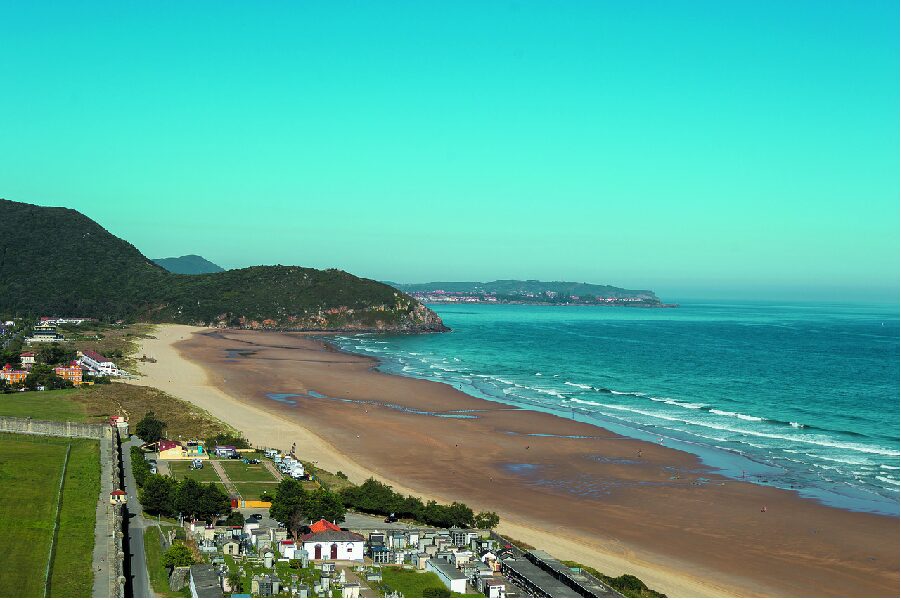
Crystal-clear sustainable beach in Sardinia, Italy

With emerald waters, white sandy beaches, and rugged coastal landscapes, Sardinia is often compared to tropical islands. Yet beyond its beauty lies a strong commitment to protecting fragile marine environments.

Protected marine parks, strict visitor regulations in sensitive areas, and growing investments in eco-friendly accommodations have helped preserve Sardinia’s coastline. Areas such as the La Maddalena Archipelago National Park demonstrate how tourism can thrive while respecting marine biodiversity and coastal ecosystems.

Why It Is Sustainable

Sardinia protects both nature and local traditions.

Its strengths include:

  • Protected marine protected areas
  • Conservation of coral reefs
  • Sustainable boating regulations
  • Eco-certified hotels
  • Promotion of local seafood and agriculture
  • Community-supported tourism initiatives

Best Experiences

  • Swim at La Pelosa Beach
  • Cruise through La Maddalena Archipelago
  • Hike to Cala Goloritzé
  • Snorkel in crystal-clear waters
  • Taste authentic Sardinian cuisine in family-run villages

Estimated Daily Budget

  • Budget: US$80–110
  • Mid-range: US$150–220
  • Luxury: US$300+

Best Time to Visit — May to June and September

🌿 TravelsavvyHQ Tip

Use reusable beach bags and refillable bottles, and support small local restaurants that source seafood responsibly.

🌊 Did You Know?

Several beaches in Sardinia limit visitor numbers during peak season to protect fragile coastal ecosystems and reduce overcrowding.

6. Zanzibar, Tanzania 🇹🇿

Where Coral Reefs Meet Swahili Culture

https://images.openai.com/static-rsc-4/aci-r35R4Xz9rDstv1LY-O8QgboUxr5bu910bocx0dObEVtFImoG1UVFUvydcRYlbwWVDdx1POXWIkv01NALxJiCifahU4VqmGioX5CYW9plRP381k5SxWbkUnWQk0PxStQw3aQST0R1wVrSbIfpPlc4lRCTlxgbbLD8jXdC1hGWEfb8Rr27jCB29StqRGsc?purpose=fullsize     101   https://images.openai.com/static-rsc-4/Z4xhNHRTJbKdsHC3EPl3K4YGgixuPYF6VsQJtxETW7jKJRvLRMoFCI2t0pv0ZbHdWuzpgHWqNocvWQG8QNjAuCEhvNxoqvKwLr_92cyWg7jdgi9awtkUm33qg1x82hnrwsIFdhFu7EQe1hBS7Lh2p3xbQ0X-3WJEk_8E51FfxOWzuiaBn-skC9kxR8Ej6cHY?purpose=fullsize
Turquoise waters and sustainable coastal tourism in Zanzibar
Located in the Indian Ocean, Zanzibar combines spectacular beaches with a rich cultural heritage shaped by African, Arab, and Indian influences. Its turquoise waters, vibrant coral reefs, and traditional coastal villages make it one of Africa’s most fascinating eco-friendly beach destinations.

The island has increasingly embraced community-based tourism, marine conservation projects, and sustainable fishing practices. Visitors who explore beyond the beaches can experience spice farms, local markets, and historic Stone Town while directly supporting local communities.

Why It Is Sustainable

Zanzibar continues to strengthen responsible coastal travel through:

  • Protection of coral reefs
  • Community-led tourism projects
  • Sustainable seaweed farming
  • Marine conservation education
  • Plastic reduction initiatives
  • Support for local artisans and businesses

Best Experiences

  • Relax on Nungwi Beach
  • Snorkel around Mnemba Atoll
  • Explore Stone Town
  • Visit Jozani Forest National Park
  • Tour traditional spice plantations

Estimated Daily Budget

  • Budget: US$45–70
  • Mid-range: US$100–160
  • Luxury: US$250+

Best Time to Visit — June to October

🌿 TravelsavvyHQ Tip

Choose locally guided cultural tours and purchase handmade products directly from community cooperatives. This helps distribute tourism income more fairly.

🌊 Did You Know?

Zanzibar is one of the world’s leading producers of seaweed, and many coastal communities now combine sustainable seaweed farming with eco-tourism to diversify their livelihoods.

🌿 TravelsavvyHQ  Insight

How Sustainable Beaches Protect Marine Biodiversity

Beautiful beaches are only one part of a much larger coastal ecosystem. Beneath the waves lies an intricate world that depends on healthy habitats and responsible tourism.

🪸 Coral Reefs

Healthy coral reefs support nearly 25% of all marine species, even though they cover less than 1% of the ocean floor. They also protect coastlines by reducing wave energy during storms.

🌱 Mangrove Forests

Mangrove forests act as natural barriers against erosion and provide nursery grounds for fish, crabs, and other marine life. They also store significant amounts of carbon, helping to combat climate change.

🌊 Marine Protected Areas

Many of the destinations featured in this guide include Marine Protected Areas (MPAs), where fishing and development are carefully managed. These zones allow ecosystems to recover and wildlife to thrive.

🏖️ Blue Flag Beaches

The Blue Flag programme recognizes beaches that meet strict standards for water quality, environmental management, safety, and education. Visiting these beaches supports destinations committed to sustainable tourism.

🌍 Why It Matters

Every traveler has the power to contribute to healthier coastlines by making informed choices:

  • Choose eco-friendly accommodations.
  • Use reef-safe sunscreen.
  • Avoid single-use plastics.
  • Respect wildlife and nesting areas.
  • Support local businesses and community tourism initiatives.

These simple actions help preserve the world’s most beautiful beaches for future generations.

7. Seychelles 🇸🇨

Where Paradise and Conservation Go Hand in Hand

https://images.openai.com/static-rsc-4/BUaiCDDtEdq_Bul435YzElWIC3dcV9YeOKkFNoewOkVp9HPU0NfNfBzO3vRl-HHDECX_109VraIr7Pzeo0IQHsbiQvB0rVWqHMuxRiZxsGcZWf6h7CWdJ4p1U90vKQmUP1knhfLHzxDbl4BFR7i08_fFWtLDakPhRk-3XYsBI0S5mpVP36dVTzSimXcQgSsI?purpose=fullsize    https://images.openai.com/static-rsc-4/obGMVeJS05mOlv-Zyfsmu4UJj5nwrPtj5jAOv_l8pYlO5QHGbOKNQONBDUa2D0uJewlV1rKJhst0OnY0mwfbPT6MGgaqAhK9-Kj77fUf2db9Goc61zkP3SW6eRYcEd9A7GOBIpMsRwVisZxQ5yjwSlJVhtrJNn-LZrnF52fIx6yRsGBpLOZCu3bCQDaoCySM?purpose=fullsize    https://images.openai.com/static-rsc-4/uiYmS-G8-xmaqTSqdEUi-LIkagA9FkFrmjppEMbRz1cJ7an0RvWefYjSazXaLwxfS_EtK2-6mqWpS7K7CqCmXuqIYef__8q1xq16joZwttaekLO9GIuODkN448Y2waWBvsZorIk3-Kk1ACOUczLwieMFnO--tpjIb0iT8P66RrIp3RdBNjEdxM_KAHhItuh3?purpose=fullsize
Anse Source d’Argent sustainable beach in Seychelles

The Seychelles is what most travelers think of when they see an image of a tropical paradise. Famed for its powdery white beaches, turquoise waters, craggy granite boulders and lush tropical forests, this breathtaking 115-island Indian Ocean archipelago. Seychelles has become the global leader in the international conservation and sustainable tourism landscape, phases are painted bright with postcards featuring their gorgeous treasure-scapes!

Almost 50% of land in the country is protected, while large Marine Protected Areas protect coral reefs, mangrove forests and millions of other marine species. During their short stay, tourists learn quickly that taking care of the natural environment is an integral part of everyday life here.

Why It Is Sustainable

Seychelles has invested heavily in protecting both its terrestrial and marine ecosystems.

Major sustainability initiatives include:

  • Extensive Marine Protected Areas
  • Coral reef restoration projects
  • Plastic reduction campaigns
  • Sustainable fisheries
  • Protected nesting beaches for sea turtles
  • Eco-certified resorts using renewable energy
  • Community-led conservation programs

Best Experiences

  • Relax at Anse Source d’Argent
  • Snorkel in Sainte Anne Marine National Park
  • Visit Curieuse Island’s giant tortoises
  • Explore Vallée de Mai Nature Reserve
  • Island hopping between Mahé, Praslin and La Digue

Estimated Daily Budget

  • Budget: US$90–130
  • Mid-range: US$180–280
  • Luxury: US$450+

Best Time to Visit — April–May and October–November

🌿 TravelsavvyHQ Tip

Many small guesthouses are locally owned and operate sustainably. Choosing these accommodations supports local families while offering a more authentic island experience.

🌊 Did You Know?

Seychelles has pledged to protect around 30% of its marine waters, making it one of the world’s most ambitious ocean conservation leaders.

8. Costa Rica’s Pacific Coast 🇨🇷

Where Rainforests Meet the Ocean

https://images.openai.com/static-rsc-4/TbUzeEi7lPuiaLpuRojhNZeKfmDDu4qkfg9IVvfnw9jgQQARksUc38ZHzGRb27E5GvjRden94xoyBnR-Q8IqMh05S0I1OoC-GMWUqLGVl52JOytZt0JEk03RdV80GcKhfJaL_VR7oF5odonWdOptkIbWAHTzkFNEdq7OwPgnjfeUgCv0VKGbyBs0JZAYrQ8Y?purpose=fullsize    https://images.openai.com/static-rsc-4/KBLIFEN91brykCNxH8GHQXGf_SFso1z0YJjs3J_Ybvw6s7E2MXXwUYo4TgRr9uBSPDSRR3ZrFF8IDMUY1lvqkavT-94kAyCt9BQX6HQ90pg799F2bDBeBAUZiaUILPRugouRkjE2bKew5JZ2D2aZDbzyD8FlyWxByj2xnJ98ECoWBEVKpRFpK0WziGyetEyE?purpose=fullsize     https://images.openai.com/static-rsc-4/x-nFKJdUDqE8EhpsRMQyHq378Ms89i9dKenB9RN_KqBEMxIqcePa5_bZpcF-ZEAoc-p_MEvGCWkpPP43g-dqd757PZj_h_eYf62gbH4aJrsk07ilZnzD3Dvygz8m8uUeKCfJdrRSvyp0pI7Pf-cjOL0x3-1s60VhxdpaxNOEeekOVLNA7d23wowApVMEKmGE?purpose=fullsize
Pacific coast beach promoting responsible tourism in Costa Rica

Few countries have embraced responsible tourism as successfully as Costa Rica. Along its Pacific Coast, visitors can enjoy golden beaches, lush rainforests, rich wildlife, and vibrant local communities while supporting one of the world’s best-known models of sustainable tourism.

Protected national parks, wildlife refuges, and community tourism projects ensure that tourism contributes directly to environmental conservation and local livelihoods.

Whether you choose the beaches of Manuel Antonio, the surfing town of Dominical, or the turtle nesting beaches of Ostional, every visit helps strengthen conservation efforts.

Why It Is Sustainable

Costa Rica’s success is built upon decades of environmental commitment.

Highlights include:

  • Extensive national parks
  • Protection of wildlife conservation
  • Sea turtle nesting programs
  • Sustainable lodges
  • Community tourism initiatives
  • Forest conservation linked with beach tourism

Best Experiences

  • Visit Manuel Antonio National Park
  • Watch sea turtles nest at Ostional Wildlife Refuge
  • Surf at Dominical
  • Whale watching at Marino Ballena National Park
  • Explore nearby rainforests

Estimated Daily Budget

  • Budget: US$60–90
  • Mid-range: US$120–200
  • Luxury: US$300+

Best Time to Visit– December to April

🌿 TravelsavvyHQ Tip

Support certified eco-lodges and local guides who follow wildlife viewing regulations, especially during turtle nesting season.

🌊 Did You Know?

Although Costa Rica occupies less than 0.03% of Earth’s land area, it is home to nearly 5% of the planet’s biodiversity, making it one of the richest countries for nature lovers.

9. Galápagos Coastal Areas, Ecuador 🇪🇨

A Living Laboratory of Evolution

102   https://images.openai.com/static-rsc-4/pF_mYDwhZWtQDytcaXo5-Hbp-PpgjZIkpr2r1w-L58h7oTSHJI6AkSH-Nl6G4YYggCSPqkBim9SFUaaRZ82mm9kGMGdpxi770Q1KJA0VmlMvsHLknfV5TmV7mclHYn30wZbnG64K6x_6qMBCnnjLQyn_rb4Mx5xGxEFbL1glKXtYbo3OVSiccL_sQaWkXk7O?purpose=fullsize    https://images.openai.com/static-rsc-4/eZ2Fwmba0MieDtETcQlrhEieg7k_U_v6PIH0HZ49Kqenuj_EkU5jyorGpVhqX_JCWWR64GWnsZuwUEfmCgfrEBFpko1gApdONU9yyu80tJsmIjOm6t5SQzWLaBgNz7_0rIwAmWFfH_Omj2JZSiy9kvYbeXlYn0i9vS9-Ukx4TAlOAIxuW5ujGV_UEn5V_EdQ?purpose=fullsize
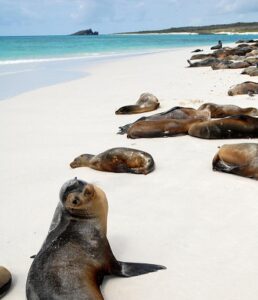
Protected beach and marine wildlife in the Galápagos Islands

Few destinations on Earth are as extraordinary as the Galápagos Islands. Located about 1,000 kilometres off Ecuador’s mainland, these volcanic islands inspired Charles Darwin’s theory of evolution and continue to amaze scientists and travelers alike.

Strict visitor regulations, limited tourism, and extensive Marine Protected Areas have helped preserve this remarkable ecosystem. Every visitor contributes through park fees that support conservation, research, and local communities.

For travelers seeking one of the world’s finest eco-friendly beach destinations, the Galápagos offers an unforgettable experience.

Why It Is Sustainable

The Galápagos remains one of the world’s best-protected island ecosystems.

Conservation measures include:

  • Strict visitor limits
  • UNESCO World Heritage protection
  • Large Marine Protected Areas
  • Wildlife monitoring programs
  • Sustainable tourism regulations
  • Conservation-funded entrance fees

Best Experiences

  • Snorkel with playful sea lions
  • Observe marine iguanas basking on volcanic rocks
  • Spot blue-footed boobies
  • Cruise between protected islands
  • Discover pristine white-sand beaches

Estimated Daily Budget

  • Budget: US$180–220
  • Mid-range: US$300–450
  • Luxury: US$700+

Best Time to Visit — December to May for calmer seas, although wildlife viewing is excellent year-round.

🌿 TravelsavvyHQ Tip

Always maintain the required distance from wildlife. Feeding or touching animals is prohibited and can disrupt their natural behavior.

🌊 Did You Know?

The Galápagos Marine Reserve is one of the largest protected marine areas in the world, sheltering sharks, sea turtles, rays, penguins, sea lions, and hundreds of fish species.

🌍 TravelsavvyHQ Responsible Beach Travel Guide

Visiting sustainable beach destinations is about more than enjoying beautiful coastlines. Every traveler can help protect fragile ecosystems through simple, thoughtful choices.

1. Choose Reef-Safe Sunscreen

Many conventional sunscreens contain chemicals that can damage coral reefs. Opt for reef-safe alternatives to reduce your impact on marine life.

2. Say No to Single-Use Plastics

Carry a reusable water bottle, shopping bag, and food container. Reducing plastic waste helps keep beaches and oceans clean.

3. Respect Wildlife

Observe turtles, dolphins, seabirds, and other marine animals from a safe distance. Never feed or chase wildlife for photographs.

4. Support Local Businesses

Choose family-owned restaurants, locally operated tours, and community-run accommodations. This strengthens local economies and encourages community-based tourism.

5. Stay on Marked Paths

Walking across sand dunes, turtle nesting areas, or coastal vegetation can damage fragile habitats. Follow designated trails whenever possible.

6. Leave Only Footprints

Collect all litter before leaving the beach—even if it isn’t yours. Small actions make a big difference in preserving coastal beauty.

🌿 TravelsavvyHQ Green Traveler Checklist

Before you leave each destination, ask yourself:

✔ Did I reduce my plastic waste?

✔ Did I support a local business?

✔ Did I respect marine wildlife?

✔ Did I avoid disturbing coral reefs?

✔ Did I leave the beach cleaner than I found it?

If the answer is “yes” to most of these questions, you’ve already become part of the global movement toward responsible beach tourism.

10. Fernando de Noronha, Brazil 🇧🇷

Brazil’s Marine Paradise Protected for Future Generations

https://images.openai.com/static-rsc-4/Zy6uNXho5k3Fj4YP2UbRO0viJMv4ebtcQcScuAVKBZWC3XzNlKw5usmhxn0Qaycb5i_jNZDTrQWpjWuunTNQ9Jniv-IWdDzPIvYG64_JzSbsFTRB1FyZzK1RZDIrpoA6FnbHNWHRxqBVZdGqKGLGuIBasp_YG_EN9LdVXcc8pi9Hll9gyzdgVc4DkA0WJOfo?purpose=fullsize   https://images.openai.com/static-rsc-4/EQoo1SqLBCCE_V7UEj4Id-QCiW2FZEeVXPEIrZf_fgx7l2_KAlGv_rzjLEwy_f92_fCpGoN22jQR9LjwKK2tz7EggZvoakNpR3zPp-yNCZ_6ZnUJT9hoW29MQXpBxRAJYOATyxUx-8h_CZNGuIr6_33EQR11NBo4A80Y7T8Y0HpUSJ1gTwOLnQFmb6ZANqYB?purpose=fullsize    https://images.openai.com/static-rsc-4/k-cr0VHp1meWoiB3zhg4v3Q091slC8Yei5IMPHvS6Xg9usm3_OCpAc41MndoXBM9bHBfsC2jGSrhsXafLjgtOFB60ZsIkB13K8DpZ3PxIbnzVTFa52HUe-Q2TQElwsmMltZFzKJ0T3jZWDIOXbJKlC_RFDBAvgFYiQeDN8fOX_dDALjyRz8kwNoEI89B90_E?purpose=fullsize
Pristine marine reserve beach in Fernando de Noronha, Brazil

Hidden nearly 350 kilometres off Brazil’s northeastern coast, Fernando de Noronha is often regarded as one of the world’s finest examples of sustainable beach destinations. This volcanic archipelago is famous for crystal-clear waters, dramatic cliffs, playful dolphins, nesting sea turtles, and spectacular underwater visibility.

Unlike many tropical islands, visitor numbers here are carefully controlled through environmental regulations and conservation fees. These measures help protect delicate ecosystems while ensuring that tourism contributes directly to marine conservation.

For nature lovers, it offers one of the most rewarding coastal experiences anywhere in the world.

Why It Is Sustainable

Fernando de Noronha protects its natural heritage through:

  • Strict daily visitor limits
  • Extensive Marine Protected Areas
  • Sea turtle conservation
  • Dolphin monitoring programmes
  • Plastic waste reduction
  • Sustainable visitor management
  • Environmental education for tourists

Best Experiences

  • Swim at Baía do Sancho
  • Watch spinner dolphins at Dolphin Bay
  • Snorkel among sea turtles
  • Dive in exceptionally clear waters
  • Hike scenic coastal viewpoints

Estimated Daily Budget

  • Budget: US$180–220
  • Mid-range: US$300–450
  • Luxury: US$600+

Best Time to Visit– August to December

🌿 TravelsavvyHQ Tip

Book accommodation and park permits well in advance, as visitor numbers are intentionally limited to protect the island’s fragile ecosystems.

🌊 Did You Know?

Baía do Sancho has repeatedly been ranked among the world’s best beaches because of its pristine waters and outstanding conservation efforts.

11. Lord Howe Island, Australia 🇦🇺

An Island Where Nature Comes First

https://images.openai.com/static-rsc-4/oPsLVj_Ic-UXMv5oIx-4c4KCPH4Jq83_Kzj7j6s5tWN2uYPRTRI5s-ArVrOGUpAhzIfpMdB-_hwTOMe7qSnEN_sbsqJJT8u0ddSAdBT5ijoXX0HyqCtGpL1Ch4fUWFbM343K7toMV5EsTHxLfliOADBnniV2wjv3d7ajneOwvpl_Uss-eSH3cU5ICzoW6emE?purpose=fullsize    https://images.openai.com/static-rsc-4/OqVqhac0226z5sYSqFqVQ9M34l8YXmEomhBsDENVBzyrYMOYzE3VIv2HjhZshCRoqk9br3fAmJcpcGJ4r9N2XXxZEgtzTfiBg_lfeePgR-VAIHPMWZfntK_rL3ZUxGHfQznM9xxOZgHp32gNrfG0ur4nMPh2-h522C4_dA96aMpRoC3KQXyRC6Wg3xSjgm4q?purpose=fullsize   https://images.openai.com/static-rsc-4/GlrP8eUgnU6wyGz6WgBsd7wrixthn70H4hcYKS0OS6tMnYVn4vc1u-TnjhMigVUWe3ddgvDOj_pMSuiYLRpbtPo0RRtMxk-vyge99SNS3u2yryZtjmFetx70xML28EsgqP9g_oRQZPwhPvzUKARgvrH1DTepz0mIoNRFJ3R8GD2GI7F5AUq7ln4FbWgdvojz?purpose=fullsize

UNESCO-protected lagoon at Lord Howe Island, Australia

Located in the Tasman Sea, Lord Howe Island is one of Australia’s greatest conservation success stories. This UNESCO World Heritage-listed island limits visitor numbers to approximately 400 at any one time, ensuring tourism never overwhelms its fragile environment.

Surrounded by the world’s southernmost coral reef, the island offers a remarkable combination of beaches, forests, volcanic peaks, and abundant wildlife.

Its careful balance between tourism and conservation makes it a model for responsible tourism worldwide.

Why It Is Sustainable

Key initiatives include:

  • Strict visitor caps
  • UNESCO World Heritage protection
  • Native species restoration
  • Renewable energy initiatives
  • Waste reduction programmes
  • Community conservation projects

Best Experiences

  • Snorkel in the lagoon
  • Hike Mount Gower
  • Cycle around the island
  • Watch seabirds nesting
  • Explore Ned’s Beach

Estimated Daily Budget

  • Budget: US$220–260
  • Mid-range: US$350–500
  • Luxury: US$700+

Best Time to Visit– September to May

🌿 TravelsavvyHQ Tip

Walking and cycling are the best ways to explore the island. They reduce emissions while allowing you to appreciate the peaceful surroundings.

🌊 Did You Know?

More than 75% of Lord Howe Island is protected as a permanent nature reserve, preserving habitats found nowhere else on Earth.

12. Abel Tasman National Park Coast, New Zealand 🇳🇿

Golden Beaches Framed by Native Forests

https://images.openai.com/static-rsc-4/Gl_uZ5TOglelp2XmH6XJ5kiPx626zt7On-IDP0cnIPCGHwCCxRNa4VdgNbmMCSj2f_Wyt-1BgWuLX9VoRGRb6Agw-E9qtjpt64n_TkUxqqIfbumztLTWGTp8n5PWY38jA6VUi6HyI1Ic4bdz5E8hdH6FymWJ4TpASVvQx9_EmlYLH5_dseu3VAfokom9FleL?purpose=fullsize    https://images.openai.com/static-rsc-4/L-jtunp-Rp-f-pLgLVxMfcJmw9Gs-nddstSQ0LbdndMbYjs4wZzLHBP6tTep5x1nXJxqFDO_tIA2Z0bNN_zJCUrau2HgZ5jHlfJQnwXYEfmnI6Rcaaa0Yd9yOkVJiESupom-CZ0oD6Ys4y9D4U7fZtYcoc-1iMBfpXSB5uQIzOu3RDyFsstQa3KGzXU6gSf_?purpose=fullsize    https://images.openai.com/static-rsc-4/FVp3BBlDb6wwJnV1TRqZ_3B9d_6t_LlPHpdBFHs-_tYdKBZD32JZx87XB9OgB5uKdsLtIDfXFI08DpgsRGhtIJdLOEc2lQ5sUKMvp3ejoIV4FL0RofSFIv2eoamBiSOu8gRJsQ3banNPH2RBYZVLvKKepKtk-vM2jlSmxOiBfnOL8IC21aaXR3f1-1wrgPt_?purpose=fullsize
Golden beach and kayaking at Abel Tasman National Park, New Zealand

New Zealand’s smallest national park delivers one of its biggest natural rewards. The Abel Tasman National Park Coast is celebrated for golden beaches, turquoise bays, granite headlands, and lush native forests.

Unlike heavily commercialized beach destinations, Abel Tasman focuses on low-impact travel. Hiking, kayaking, wildlife watching, and water taxis allow visitors to explore the coastline while leaving a minimal environmental footprint.

Why It Is Sustainable

The park demonstrates excellent environmental stewardship through:

  • Native forest restoration
  • Wildlife monitoring
  • Sustainable visitor management
  • Strict protection of coastal habitats
  • Eco-friendly kayaking tours
  • Environmental education programmes

Best Experiences

  • Walk sections of the Abel Tasman Coast Track
  • Kayak through sheltered bays
  • Visit Split Apple Rock
  • Watch New Zealand fur seals
  • Camp in designated eco-friendly sites

Estimated Daily Budget

  • Budget: US$80–120
  • Mid-range: US$160–240
  • Luxury: US$350+

Best Time to Visit — December to March

🌿 TravelsavvyHQ Tip

Carry reusable food containers and take all waste with you. National parks depend on visitors leaving no trace behind.

🌊 Did You Know?

The Abel Tasman Coast Track is one of New Zealand’s famous “Great Walks,” attracting nature enthusiasts from around the world while maintaining strict conservation standards.

🌍 What Makes These Beaches Truly Sustainable?

Although these destinations are spread across five continents, they share several important characteristics that set them apart.

Common Features

  • Marine Protected Areas safeguarding coral reefs and coastal ecosystems.
  • Strong wildlife conservation programmes for sea turtles, dolphins, seabirds, and other species.
  • Support for local communities through community-based tourism and locally owned businesses.
  • Investment in waste management, plastic reduction, and cleaner coastlines.
  • Promotion of eco-friendly accommodations and responsible visitor practices.
  • Education programmes that encourage travelers to respect nature and local cultures.

These efforts show that sustainable tourism is not just about protecting beaches—it is about creating a balance between environmental conservation, economic benefits, and memorable visitor experiences.

Budget Tips for Sustainable Beach Travel

Traveling sustainably does not always mean spending more. With thoughtful planning, you can reduce costs while supporting responsible tourism.

  • Travel during the shoulder season for better prices and fewer crowds.
  • Stay in locally owned guesthouses or eco-lodges.
  • Use public transportation where available.
  • Carry reusable water bottles, shopping bags, and utensils.
  • Book tours with certified local operators.
  • Eat at family-run restaurants serving regional cuisine.
  • Combine nearby destinations to reduce transportation costs.
  • Respect local customs and protected areas to help preserve these places for future travelers.

Conclusion

Some of the world’s best-kept secrets can be found on its coastal edges—stunning scenery, rare wildlife and travel experiences you’ll never forget. But they are also under the increasing threat of climate change, pollution and over-tourism.

Through selecting eco-friendly beach destinations, each traveler can play a role in the answer. Be it snorkeling the coral reefs of Palawan, walking the steep cliffs of the Algarve, witnessing giant tortoises in Seychelles or kayaking alongside the untouched shores of Abel Tasman National Park – your travel choices can protect these remarkable locations.

Sustainable travel does not have to mean compromising on comfort or adventure. It is about being mindful of the choices that benefit our visitors and the places they cherish. Each reusable bottle, every instance of local guidance and eco-friendly lodging purchase leads to cleaner oceans, boosted communities and a more sustainable future for global tourism.

Wherever you’re heading for your next coastal getaway, be inspired to travel lightly and leave only footprints at these 12 destinations that are well-worthy of exploring.

Frequently Asked Questions (FAQs)

1. What makes a beach destination sustainable?

A sustainable beach destination protects its natural environment, supports local communities, manages tourism responsibly, and promotes conservation of marine ecosystems.

2. Are sustainable beach holidays more expensive?

Not always. Many eco-friendly destinations offer affordable guesthouses, public transport, and locally owned accommodations suitable for different budgets.

3. Why are Marine Protected Areas important?

They help conserve coral reefs, fish populations, and marine biodiversity while ensuring tourism remains environmentally responsible.

4. What is reef-safe sunscreen?

Reef-safe sunscreen avoids chemicals known to damage coral reefs and is a better choice for snorkeling and swimming.

5. How can I reduce my environmental impact while visiting beaches?

Use reusable items, avoid single-use plastics, respect wildlife, and support eco-certified businesses.

6. Which destination is best for snorkeling?

Palawan, Okinawa, Fernando de Noronha, and the Galápagos all offer exceptional snorkeling experiences.

7. Which destination is most suitable for families?

The Algarve and Costa Rica’s Pacific Coast are excellent choices due to their accessible beaches, family-friendly activities, and good tourism infrastructure.

8. Which beach destination is best for marine wildlife?

The Galápagos Coastal Areas are renowned for encounters with sea lions, marine iguanas, penguins, rays, and diverse fish species.

9. Why should I support local businesses during my trip?

Supporting local businesses helps distribute tourism income fairly, strengthens communities, and encourages sustainable development.

10. What is the best time to visit these destinations?

It varies by location, but shoulder seasons often provide pleasant weather, fewer crowds, and lower prices.

11. Can sustainable tourism help protect beaches?

Yes. Responsible tourism generates funding for conservation, habitat restoration, environmental education, and community projects.

12. What is the most important rule for responsible beach travel?

Leave the beach exactly as you found it—or even cleaner. Small actions from every traveler collectively make a significant difference.

Avatar photo
Sunil

Hi, I am Dr. Sunil. My present blog, travelsavvyhq.com, mainly focuses on various interesting articles related to travel around the globe. These are about destination guides, smart travel tips, road trips, hidden gems worth discovering...to name a few. Well, beginning with a few initial articles on "sustainable & eco-friendly destinations."

Articles: 8

Leave a Reply

Your email address will not be published. Required fields are marked *