


Table of Contents
ToggleWhat are Sustainable & Eco-Friendly Destinations?Introduction
Travel introduces you to different cultures, various landscapes, and distinct experiences. But tourism also comes at a human, wildlife and environmental price.
Consider these findings:
- Tourism emissions reached 5.2 Gt CO₂-equivalent in 2019 onwards.
- Tourism accounted for 8.8% of total global greenhouse gas emissions.
- Tourism emissions grew twice as fast as the global economy between 2009 and 2019.
Meanwhile, a number of heavily trafficked destinations attract millions of visitors annually – straining natural resources, ecosystems and local communities. Meanwhile, it has meant ugly process of the formation and growth of cities or environmentally damaging overdevelopment in many places where overtourism disrupts things like rising housing costs, environmental degradation and damage to cultural sites. Fortunately, travelers can play a role in the solution.
At the same time, responsible tourism allows all travelers to protect destinations while empowering them through experiences with meaning. Even little things can be game-changers. It matters where you stay, how you travel, what you buy, and with whom to interact locally.
This guide covers the key responsible tourism principles and how you can become a more aware traveler as you travel anywhere.
What Is Responsible Tourism?
At its core, responsible tourism means making travel decisions that benefit destinations rather than harm them. Unlike traditional tourism, which often focuses mainly on visitor enjoyment, responsible travel considers the effects of tourism on people, culture, wildlife, and the environment.
The goal is simple:
- Minimize negative impacts
- Maximize positive impacts
- Support local people
- Protect natural resources
- Preserve cultural identity
Many experts view responsible tourism as a practical approach to achieving long-term sustainable development within the tourism industry.
Why Responsible Tourism Matters Today
The tourism industry generates jobs and income across the world. However, unmanaged tourism can create serious challenges.
These include:
- Pollution
- Habitat destruction
- Water shortages
- Cultural erosion
- Wildlife disturbance
- Economic inequality
Destinations from tropical islands to mountain villages are increasingly experiencing the effects of mass tourism. Adopting sustainable tourism practices helps destinations balance economic growth with environmental and social responsibility. When travelers make informed choices, they contribute to healthier ecosystems, stronger economies, and better quality of life for residents.
Principle 1: Respect Local Communities

Local communities supporting each other is one of the key components of responsible tourism.Tourism must enhance residents and not make life difficult for them.
Travelers can contribute by:
- Hiring local guides
- Staying in locally owned accommodations
- Eating at family-run restaurants
- Purchasing locally made products
- Supporting local businesses
Staples says, as a net result, tourism funds local jobs while developing economic growth sustainable with long-term benefits.The basis of this approach is community tourism, which means that residents participate and gain from the tourism activities.
The Importance of Indigenous Communities
- It also drives many destinations to unique Indigenous Communities with ancestral information and traditional customs.
- Visitors should also honor indigenous customs and help to support tourism efforts that are run or owned by tribal organizations.
- Through responsible tourism, opportunities for cultural exchange can open up that aid with the preservation of traditional ways of life.
Principle 2: Practice Cultural Respect

Travel allows people to experience different customs, traditions, and beliefs. However, meaningful travel requires cultural respect.
Every destination has its own social norms and cultural expectations.
Travelers should:
- Learn basic local customs
- Dress appropriately
- Follow local etiquette
- Ask permission before photographing people
- Respect religious sites
Showing cultural respect helps build trust between visitors and residents. It also helps protect valuable cultural heritage that has often been preserved for centuries.
Protecting UNESCO Heritage Sites
Many destinations feature globally significant UNESCO Heritage Sites. These locations represent humanity’s shared cultural and natural treasures. Visitors should follow site guidelines carefully, avoid damaging structures, and help preserve these landmarks for future generations.
Principle 3: Support Fair Trade and Local Economies

Unfortunately, not all tourism revenue stays within local destinations. In some cases, profits flow primarily to international corporations.
One way to address this issue is through Fair Trade Tourism initiatives.
Fair Trade Tourism promotes:
- Fair wages
- Ethical business practices
- Local ownership
- Community development
- Environmental responsibility
Supporting businesses that follow fair trade tourism principles helps ensure tourism benefits are shared more fairly. Choosing local tour operators, accommodations, and restaurants strengthens local economies and supports long-term sustainability.
Principle 4: Protect the Environment

Tourism depends heavily on healthy ecosystems. Without forests, beaches, rivers, wildlife, and clean air, many destinations would lose their appeal. That is why environmental conservation is a central pillar of responsible tourism.
Travelers can help by:
- Reducing waste
- Conserving water
- Limiting energy use
- Avoiding single-use plastics
- Respecting natural habitats
Many destinations now encourage visitors to participate in conservation programs and environmental education activities. Every small action contributes to larger conservation goals.
Principle 5: Support Wildlife Protection

Wildlife attracts millions of travelers every year. Unfortunately, tourism can also threaten animals if not managed responsibly. True wildlife protection focuses on safeguarding animals in their natural habitats.
Travelers should avoid:
- Animal performances
- Wildlife selfies involving captive animals
- Elephant rides
- Attractions that exploit wildlife
Instead, support ethical wildlife experiences that prioritize conservation and animal welfare. Many national parks and reserves use tourism revenue to fund critical wildlife protection efforts. By choosing responsible operators, travelers help preserve biodiversity for future generations.
Principle 6: Follow Travel Ethics
Good travel is about more than following rules. It also involves strong travel ethics.
Ethical travelers think about the broader consequences of their actions.
Questions to consider include:
- Does my spending support local people?
- Am I respecting cultural traditions?
- Is this activity harming wildlife?
- Does this business operate responsibly?
Strong travel ethics encourage thoughtful decision-making and help travelers leave positive impacts wherever they go.
Principle 7: Choose Sustainable Transportation Options
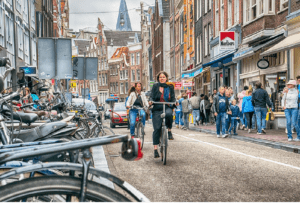
Transportation is one of the largest contributors to tourism-related emissions.
Whenever possible, travelers should:
- Walk
- Cycle
- Use public transportation
- Choose trains over short flights
- Share transportation services
These choices reduce environmental impacts while often providing more authentic travel experiences.
Many destinations are investing in greener transportation systems as part of broader sustainable tourism practices.
Principle 8: Stay in Responsible Accommodations

Where you stay matters.
Responsible accommodations often invest in:
- Renewable energy
- Water conservation
- Waste reduction
- Local hiring
- Community projects
Many hotels now participate in sustainability certification programs and community development initiatives.
Choosing responsible accommodations supports broader goals of environmental conservation and community well-being.
Principle 9: Preserve Cultural Heritage

Every destination has stories, traditions, architecture, and customs that make it unique.Tourism should help protect these assets rather than damage them.
Travelers can support cultural heritage preservation by:
- Visiting museums and cultural centers
- Supporting traditional crafts
- Attending local cultural events
- Respecting historic sites
Preserving cultural identity helps destinations maintain their authenticity and strengthens pride among local residents.
Principle 10: Become an Ambassador for Responsible Tourism
The final principle is perhaps the most powerful.
Lead by example.
- Share your experiences and encourage others to embrace responsible travel.
- Talk about sustainable accommodations, ethical wildlife encounters, and locally owned businesses.
- Every traveler influences friends, family, and social networks.
- When more people adopt responsible tourism principles, positive impacts multiply.
The Role of the Responsible Tourism Partnership
- Organizations such as the Responsible Tourism Partnership help promote better tourism practices around the world.
- They work with destinations, businesses, governments, and communities to improve tourism outcomes and encourage more responsible approaches.
- Their efforts highlight the growing global movement toward more sustainable and ethical travel.
A Simple Responsible Traveler Guide
Think of this checklist as your personal responsible traveler guide:
✓ Respect local cultures
✓ Support local communities
✓ Choose local businesses
✓ Protect wildlife
✓ Reduce waste
✓ Conserve resources
✓ Practice ethical travel
✓ Preserve cultural heritage
✓ Support fair trade tourism
✓ Leave destinations better than you found them
Final Thoughts
The decisions travellers take now will determine tourism’s future. Responsible tourism does not mean missing the comfort, adventurers or fun. As such it is about travelling with intention and respect.
Travelers can help make the world a better place for everyone by embracing responsible travel practices, giving back to local communities, respecting the culture and people around them while traveling, protecting wildlife and doing all they can to protect the environments in which they are exploring.
The best trips are usually to places that both the traveler and the destination will benefit. By adhering to these responsible tourism principles, travel will continue to be a force for good and will play its part in sustainable development not just now, but for generations to come.
Frequently Asked Questions (FAQs)
1.So are responsible tourism and sustainable tourism the same?
Not exactly. Responsible tourism is concerned with the responsible behaviour of travel consumers, businesses and destinations to limit negative impacts and maximize benefits. Sustainable tourism, ie producing a more sustainable tourism industry, and is one of the broader goals in that it embodies environmental sustainability. Responsible tourism is an important approach to achieving this goal of sustainable tourism.
2, Is responsible tourism the answer to travel and savings for tourists?
Yes. It is hardly surprising that so many sensible travel options are cost effective. Taking public transport, ordering food at hole-in-the-wall establishments, sleeping in homestays and checking out neighborhood markets is usually cheaper than plush tourist ventures and offers more authentic experiences.
3. How do you know if a tour operator is genuinely responsible?
Search for substantive proof, instead of a marketing statement. A responsible operator will also then detail how they support local communities, protect wildlife and mitigate waste within recognised sustainability standards. Independent certifications and clearly articulated sustainability reports are also positive signs.
4. But does that mean responsible tourism needs to be totally devoid of air travel?
No, although flying is often unavoidable for international travel. Rather than not flying at all, travelers should minimize the damage by taking direct flights, staying longer in one place, using trains/buses during the vacation and investing in verified carbon offsetting projects.
5. The economic advantage of responsible tourism for local economies.
Responsible tourism is about maximizing the proportion of tourism earnings that remains in the destination. Staying in locally owned accommodations, eating at local restaurants, and hiring local guides and artisans provides jobs to individuals while sprouting small businesses that help protect natural and cultural resources around the world.
6. How does technology make a difference when it comes to accountable travel?
Travellers are assisted to make better decisions with the use of Technology. Workers are mobile apps and digital maps, sustainability rating compares destinations and carbon reduction calculators allow tourists to take action in their accommodation, find environmentally responsible tour operators companies, cut down on paper tickets everywhere.
7. Is there luxury travel with a conscience?
Yes. Still, today many luxury resorts siphon money into renewable energy, water conservation and wildlife conservation as well as how the local population is employed. While most luxury travel is centered around high-end amenities, responsible luxury travel focuses on the role it has in supporting the environment and surrounding communities positively.
8. What are the common traveling mistakes beyond responsible travel?
These mistakes include ordering products out of wildlife endangered species, taking pictures by disturbing animals or their nests, wasting limited water supplies in drought-prone regions, leaving litter in national parks and marine protected areas. ignoring local customs and traditions and participating in activities that exploit people or involve animal abuse.
9. What makes slow travel more responsible?
Slow Travel converts guest to stay higher in fewer locations. Those also contribute to lower transportation emissions, more extended patronage of local businesses, and a deeper food culture experience instead of racing through the sights.
10. We need to teach children about responsible tourism in a family setting.
Involve kids in basic practices such as utilizing reusable water bottles, treating wildlife with respect, learning about local cultures and traditions, reducing plastic waste, supporting local artisans, engaging in community-based activities; These habits also make for more eco-friendly traveling children.
11. What is regenerative tourism and how does it differ from responsible tourism?
Regenerative tourism does not simply seek to limit negative impacts but instead prioritises improving the destinations where we stay. This might include joining the habitat restoration movement, tree planting, beach cleanups and community development projects that are bettering a place than it was.
12. What are the future trends in responsible tourism?
Responsible Tourism Trends to Look for in the Future: Future trends include carbon-neutral travel, electric transportation, eco-certified accommodations, AI-powered travel planning, community-based tourism, regenerative tourism, and greater demand for authentic cultural experiences. Travelers are increasingly choosing destinations that demonstrate measurable environmental and social responsibility.